
By Sunday Ameh
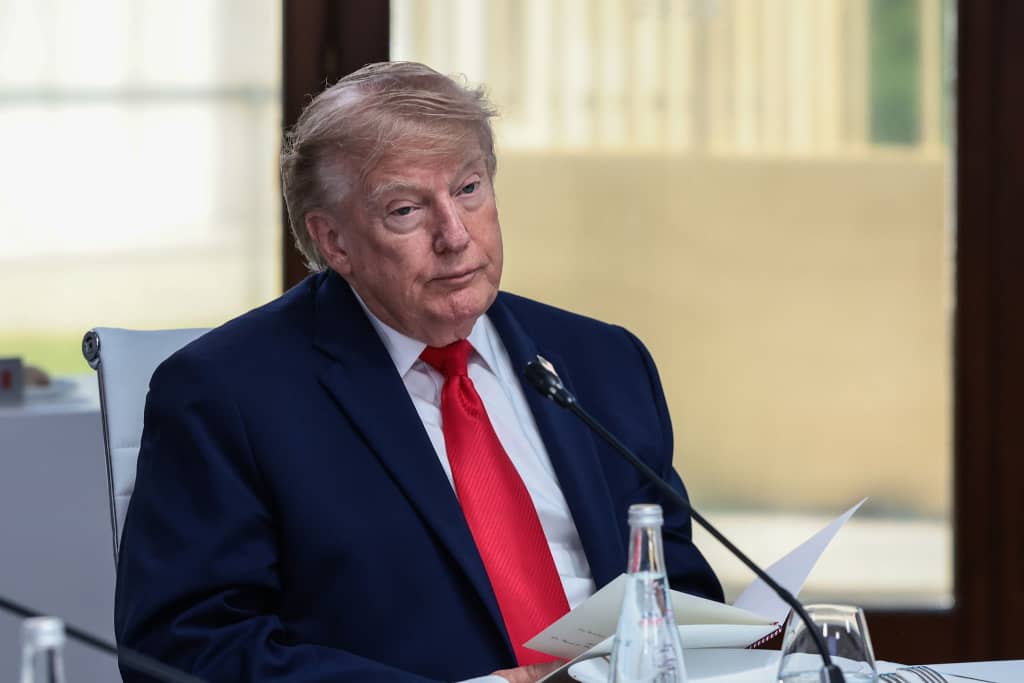
United States President Donald Trump has signed two new executive orders aimed at restricting birthright citizenship, renewing his administration’s efforts weeks after the US Supreme Court struck down a similar attempt.
The executive orders, signed on Thursday, seek to expand the categories of non-citizens whose children would not automatically qualify for US citizenship at birth, while also targeting the practice known as “birth tourism.”
Under the first executive order, children born in the United States to certain legal foreign residents, including diplomats and employees of international organisations, would no longer qualify for automatic citizenship. The order could also affect people born in US territories if Congress approves proposed legislation ending automatic citizenship in those areas.
The second executive order seeks to prohibit “birth tourism” — the practice of pregnant foreign nationals travelling to the United States on non-immigrant visas to give birth so their children can obtain American citizenship.
The White House said the order also targets individuals or organisations that facilitate the entry of foreign nationals into the US for the purpose of childbirth. It authorises the Secretary of State to implement measures to curb the practice, including imposing permanent entry bans on violators.
“This should have happened years ago, but we’re taking care of it now,” Trump said after signing the orders.
The latest move follows a June 30 ruling by the US Supreme Court, which invalidated Trump’s previous executive order seeking to limit birthright citizenship.
In a 6-3 decision, the court reaffirmed that the US Constitution guarantees citizenship to children born on American soil, including those whose parents are undocumented immigrants or are residing temporarily in the country.
Reacting to the ruling, Trump criticised the justices who voted against his earlier order, describing the decision as “very unfortunate.”
The new executive orders are expected to face fresh legal challenges as critics argue they conflict with constitutional protections governing birthright citizenship.





Leave a Reply