
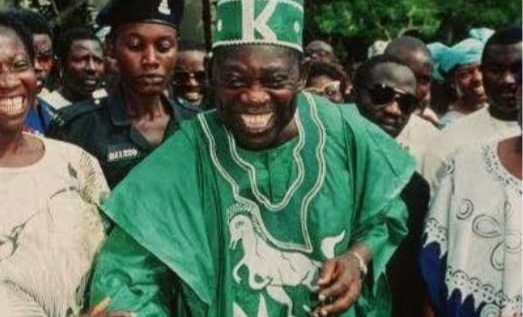
By George Omagbemi Sylvester
June 12, 2026: Thirty-three years after the historic June 12, 1993 presidential election, widely regarded as one of the freest and fairest polls in Nigeria’s history, many Nigerians continue to demand credible elections, stronger democratic institutions, and tangible benefits from democratic governance. The anniversary has once again sparked nationwide reflection on the country’s democratic journey and the challenges that remain despite decades of civilian rule.
The June 12 election, won by the late Moshood Kashimawo Olawale Abiola, is widely seen as a symbol of national unity, electoral integrity, and the struggle for democracy.
Although Nigeria returned to civilian rule in 1999, concerns over electoral transparency, political accountability, corruption, insecurity, and economic hardship continue to dominate public discourse.
Political analysts and civil society organizations argue that democracy should extend beyond the conduct of elections and be reflected in improved living standards, job creation, quality education, healthcare, and the protection of citizens’ rights.
They maintain that public trust in government institutions can only be strengthened through transparency, justice, and effective service delivery.
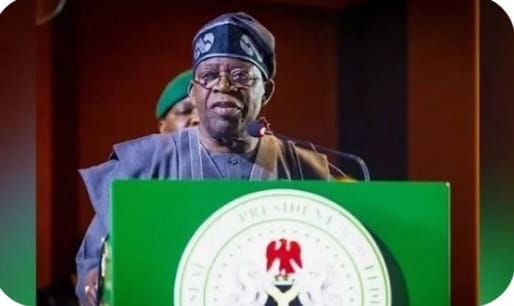
While President Bola Ahmed Tinubu has highlighted ongoing economic and governance reforms aimed at strengthening democratic institutions, critics insist that many Nigerians are yet to feel the full benefits of democracy.
As the nation marks another Democracy Day, citizens continue to call for credible elections, accountable leadership, national unity, and meaningful development that improves everyday life across the country.
Leave a Reply