
By George Omagbemi Sylvester
Iran’s tightening grip on the Strait of Hormuz has sharply reduced maritime traffic through one of the world’s most critical oil corridors, following the breakdown of last-ditch peace talks earlier in the week.
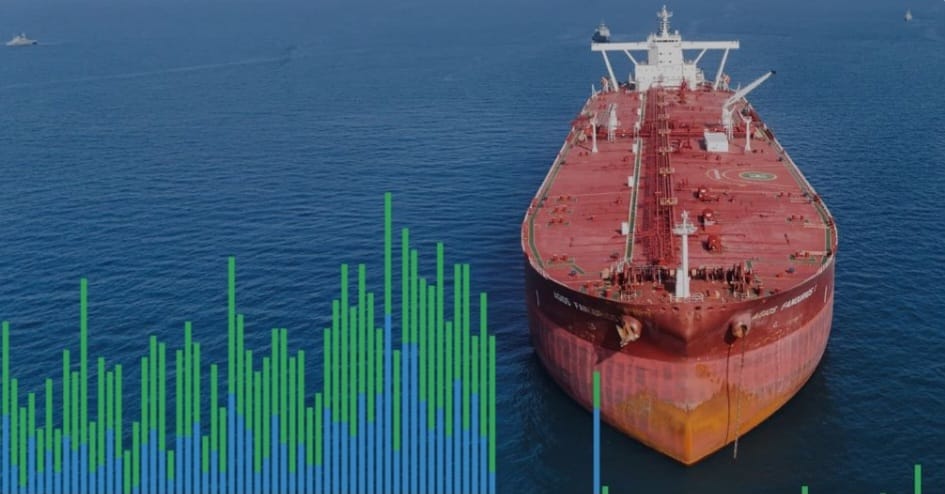
On 25 April 2026, shipping data shows that only a handful of large oil tankers are now passing through the strait each day, a dramatic fall from normal conditions.
Recent tracking reports indicate figures ranging from about 5 to just over a dozen vessels daily, including oil tankers, bulk carriers, and container ships.
Before the crisis escalated, the waterway typically handled around 130 vessels daily, carrying roughly 20% of global oil and LNG trade.
However, ongoing military tensions, seizures of commercial ships, and heightened security risks have pushed traffic to a fraction of its normal level.
Some data suggests brief spikes above 20 vessels on certain days when conditions temporarily eased, but these movements remain unstable and heavily dependent on security assurances.
The situation has transformed Hormuz into a high-risk maritime corridor, where even transiting ships face uncertainty, insurance surcharges, and potential interception.
Economically, the disruption continues to ripple through global energy markets, tightening supply chains and sustaining elevated oil prices.
The overall picture is not one of total closure, but of a severely restricted chokepoint operating under volatile, militarised conditions.





Leave a Reply