
By Gloria Drealomalicha
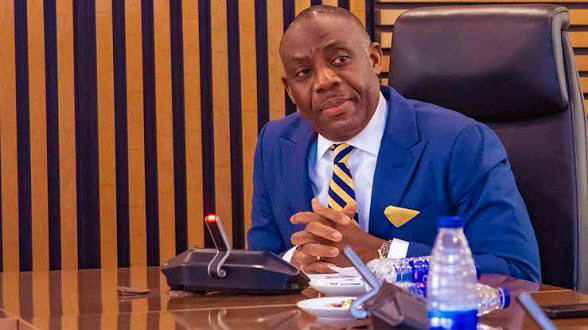
The Minister of Education, Dr Tunji Alausa, has raised concerns over Nigeria’s shortage of skilled artisans, saying the country’s education system must do more to prepare young people for the realities of the labour market.
Alausa said Nigeria’s obsession with conventional academic qualifications had contributed to a situation where the country now struggles to find enough skilled workers to meet growing demand in the construction and industrial sectors.
Speaking on the Afropolitan Podcast, the minister noted that skilled trades could offer significant financial rewards, sometimes exceeding the earnings of professionals traditionally viewed as more prestigious.
“In America, Europe or anywhere, a plumber earns more than a doctor, an electrician earns more than a lawyer. So what are we talking about here?” he said.
Alausa recalled instances where Nigerians constructing houses struggled to find local artisans with skills in areas such as tiling and screeding, forcing them to source workers from neighbouring countries.
“We were going to Cotonou, to Togo to bring these people in,” he said.
The minister also cited the construction of the Dangote Refinery as an example of Nigeria’s skills gap, saying Aliko Dangote had to bring in nearly 22,000 artisans from outside the country because of the shortage of skilled workers locally.
“It was like we’re suffering in the midst of plenty. Suffering, severe, debilitating suffering in the midst of plenty,” Alausa said.
He said his appointment as education minister had provided an opportunity to tackle the problem by reshaping education around Nigeria’s demographic realities and the needs of the economy.
According to Alausa, about 70 per cent of Nigeria’s estimated 220 million population is below the age of 30, making the country’s youthful population both a challenge and a major economic opportunity.
He said the focus should therefore shift towards equipping young Nigerians with practical and marketable skills that can help them secure employment, create businesses and contribute meaningfully to the economy.
Alausa stressed that education should not be viewed solely through the lens of university degrees, arguing that vocational and technical skills must receive greater attention if Nigeria is to bridge its growing skills gap.




Leave a Reply