
By George Omagbemi Sylvester
Human rights activist and former presidential candidate Omoyele Sowore has accused the Nigerian Senate of deliberately weakening electoral safeguards, alleging that lawmakers are attempting to create legal loopholes that could enable future election manipulation. His criticism comes amid heated debate over proposed amendments to the Electoral Act ahead of the 2027 general elections.
The controversy centres on provisions governing the electronic transmission of results from polling units; an issue that has remained politically sensitive since the disputed 2023 polls.
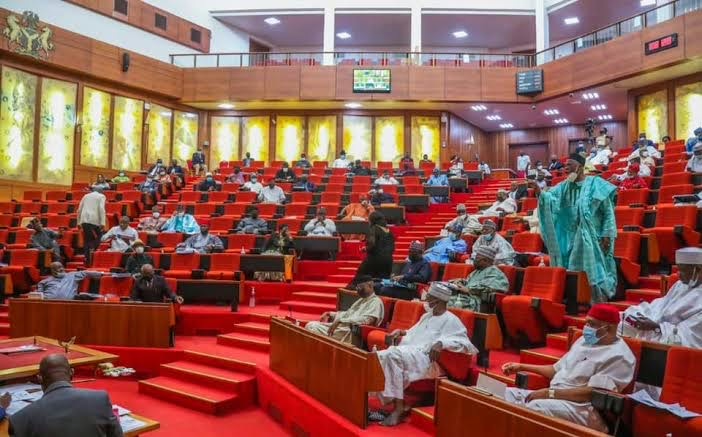
In early February 2026, the Senate in Abuja considered amendments to the Electoral Act, including revisions to Section 60, which regulates how results are transmitted. Initial reports indicated that the upper chamber declined to make real-time electronic transmission mandatory, instead retaining language that gives the Independent National Electoral Commission discretion over the process.
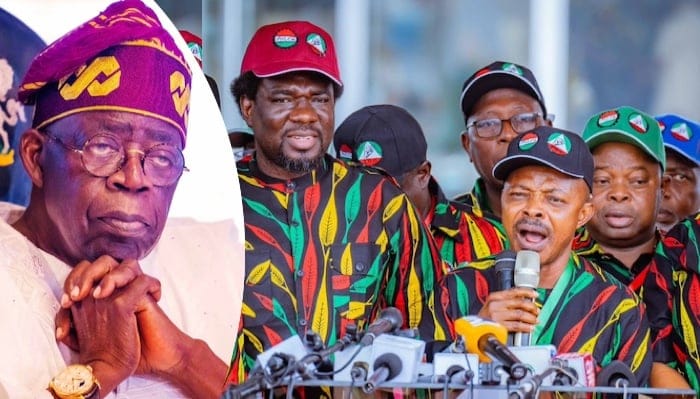
Civil society groups, labour unions, and opposition figures quickly warned that such discretionary wording could weaken transparency and create room for manipulation during the collation stage. The Nigeria Labour Congress threatened protests, while activists described the move as a step backward for electoral credibility.
Sowore responded with a strongly worded statement, accusing senators of “covering their tracks” and preparing legal shields for future election rigging. He argued that many politicians would not survive genuinely transparent elections and suggested that resistance to mandatory electronic transmission reflected fear of accountability.
The debate unfolded at the National Assembly complex in Abuja, where lawmakers held plenary sessions to deliberate on the amendments. The issue quickly escalated into a national controversy, drawing protests and statements from prominent political and civic leaders.
Among those involved in the dispute were Senate President Godswill Akpabio, who defended the legislative process and former education minister Oby Ezekwesili, who warned that the Senate’s actions could erode public trust in the electoral system. Former presidential candidate Peter Obi also joined protesters at the National Assembly, demanding clearer provisions for electronic transmission.
On the Senate’s side, spokesperson Yemi Adaramodu argued that Nigeria’s uneven telecommunications infrastructure made mandatory real-time transmission impractical in some areas. According to him, network failures at remote polling units could lead to disputes and confusion, undermining rather than strengthening the electoral process.
The disagreement reflects a deeper national concern over the credibility of elections. Many observers believe that the absence of a strict legal requirement for electronic transmission contributed to controversies during previous polls. Electoral transparency advocates argue that real-time transmission would reduce opportunities for tampering and restore public confidence.
Ezekwesili, a long-time governance reform advocate, warned that ambiguous provisions in electoral laws tend to be exploited by political actors. She noted that public outrage over the Senate’s position was rooted in past experiences where discretionary powers were allegedly abused.
As public pressure mounted, the Senate signalled a shift. Lawmakers indicated support for electronic transmission in principle and agreed to harmonise their position with the House of Representatives through a joint committee. Some senators insisted that the chamber had not rejected electronic transmission outright but was attempting to clarify operational details rather than sabotage the process.
Still, Sowore’s accusation underscores the deep mistrust between political elites and reform advocates. His claim that lawmakers are “rigging the law” reflects broader fears that legal ambiguities could once again shape electoral outcomes.
The stakes are high. Nigeria’s next general elections are scheduled for 2027 and the legal framework guiding those polls is now being negotiated. Analysts say the outcome of the current amendments will determine whether the country moves toward greater electoral transparency or repeats the controversies of the past.
For now, the Senate maintains that technical realities (not political motives) are guiding its decisions. Activists, however, remain sceptical, warning that any dilution of electronic transmission requirements could undermine democracy at a critical moment in Nigeria’s political evolution.


Leave a Reply