
By Opeyemi Adelakun
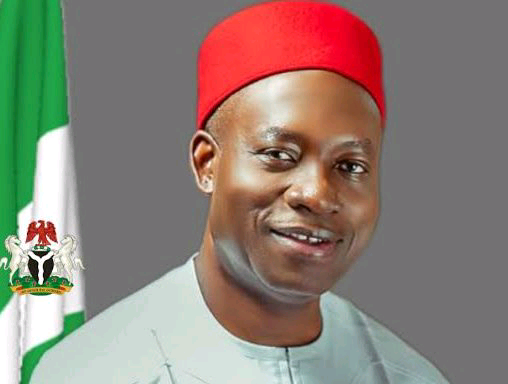
Anambra State Governor Chukwuma Soludo has recounted his experience with the Economic and Financial Crimes Commission after leaving office as Governor of the Central Bank of Nigeria, saying the agency eventually cleared him of any wrongdoing.
Soludo spoke on Friday during the commissioning of the EFCC Awka Zonal Directorate Complex, which will serve Anambra and Imo states.
The governor said his name came up during an investigation into the Nigeria Security Printing and Minting Plc, commonly known as the Mint, where he had served as board chairman while at the CBN.
According to Soludo, he received a month’s notice to appear before the EFCC and honoured the invitation, but did not receive any further communication from the commission for about a year.
He said he subsequently contacted the agency to seek an update and was informed that the investigation had not established any corrupt conduct against him.
“My personal testimonies about the professionalism of this Commission is that when I left office as CBN Governor, EFCC was investigating Nigeria Printing and Minting Company, the Mint, an agency within the bank.
“I was chairman of board of the Mint and was given one month notice of investigation and I showed up. After about a year, I didn’t hear from them, so I wrote them and they said that the investigation didn’t show any corrupt action about me,” he said.
Soludo added that the former EFCC chairman had earlier clarified that he was not the target of the investigation after his name was mentioned in connection with the matter.
He said the commission later sent him a letter formally confirming that its investigation had found no wrongdoing on his part.
“When my name was mentioned in connection with the investigation, the former chairman of EFCC told them that I was not the subject of the investigation.
“Subsequently, the Commission wrote me a beautiful letter and said the investigation showed I didn’t have anything to do with the matter,” Soludo said.
The governor said the experience reinforced his view that the EFCC should communicate the outcome of investigations to people who are invited for questioning but are subsequently found not to be involved.
“So I deeply appreciate the professionalism of the Commission. I want to urge that if you invite someone and later fail to find him complicit, you must write and say so, especially in this part of the world where, if you invite people, it finds its way into the pages of newspapers because they see invitation as an indictment,” he said.
Soludo welcomes EFCC presence in Awka
Speaking about the new Awka zonal directorate, Soludo said the facility would help speed up investigations into financial crimes in the South-East.
He said the state was pleased to host the regional office because its proximity would make it easier for investigations involving Anambra and Imo to be handled without unnecessary delays.
“Some people might be asking why we are so excited about having the zonal office in our state. The reason for our excitement is that it will enhance quicker investigation,” he said.
Soludo noted that the EFCC’s staffing limitations made it impractical for the commission to maintain offices in all 774 local government areas.
“Ideally, EFCC should have offices in the 774 local government areas of the country, but with only about 6,000 staff, it is difficult to have offices in all LGAs. So this regional office will serve in the meantime and we will cooperate with you to serve the two states,” he said.
The governor also said the Anambra government would seek the EFCC’s support on revenue and taxation matters and work to strengthen financial crime awareness among civil servants and local government officials.
“We will not just be waiting for you to come from Abuja; we will be visiting you because it’s in our own interest that we should minimise financial crimes to the barest minimum. We assure EFCC of our fullest co-operation,” he said.
Soludo said combating economic and financial crimes required cooperation between government institutions and citizens, describing the EFCC’s work as important to national development.





Leave a Reply