
By Paul Joseph
The Nigerian Senate has passed constitutional amendment bills seeking to establish state police across the country, marking a major milestone in ongoing efforts to reform Nigeria’s security architecture.
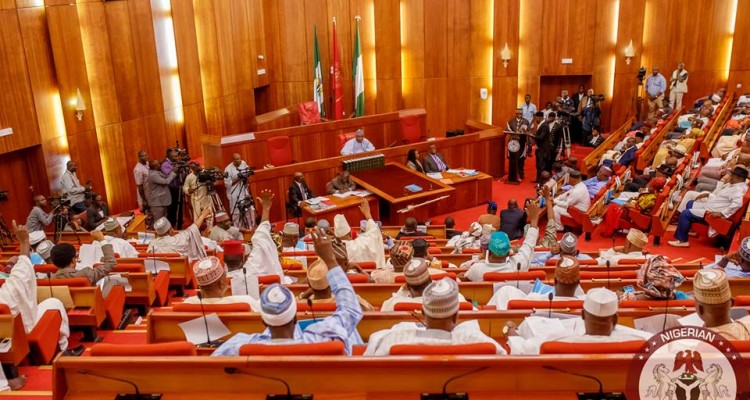
The development was confirmed on Wednesday during the Senate’s consideration of key constitutional amendment proposals aimed at addressing rising security challenges and strengthening policing at the sub-national level.
The move represents one of the most significant legislative steps toward decentralising law enforcement in Nigeria, a proposal that has generated intense national debate for years.
Presided over by Senate President, Godswill Akpabio, the upper chamber approved the amendments after extensive deliberations on the need to improve security and enhance the capacity of states to respond to local threats.
The proposed state police framework has long divided opinion among political leaders, security experts and civil society groups.
Supporters argue that state police would provide a more effective response to insecurity by allowing states to establish law enforcement agencies familiar with local terrain, language and security dynamics. They maintain that decentralised policing is necessary to tackle challenges such as banditry, kidnapping, communal conflicts and other crimes that have stretched the capacity of federal security agencies.
However, critics have expressed concerns that state-controlled police forces could be abused by governors and other political actors to intimidate opponents, suppress dissent and influence electoral processes if adequate safeguards are not put in place.
The Senate’s approval is a crucial step in the constitutional amendment process. The proposal will still require support from a significant number of state Houses of Assembly before it can become part of the Constitution.
Governors and other top government officials were present to observe proceedings, reflecting the importance of the legislation and the role states are expected to play in its eventual implementation.
If fully adopted, the reform would fundamentally alter Nigeria’s policing structure, ending the long-standing system under which policing remains exclusively under the control of the federal government and paving the way for state governments to establish and manage their own police services.





Leave a Reply