
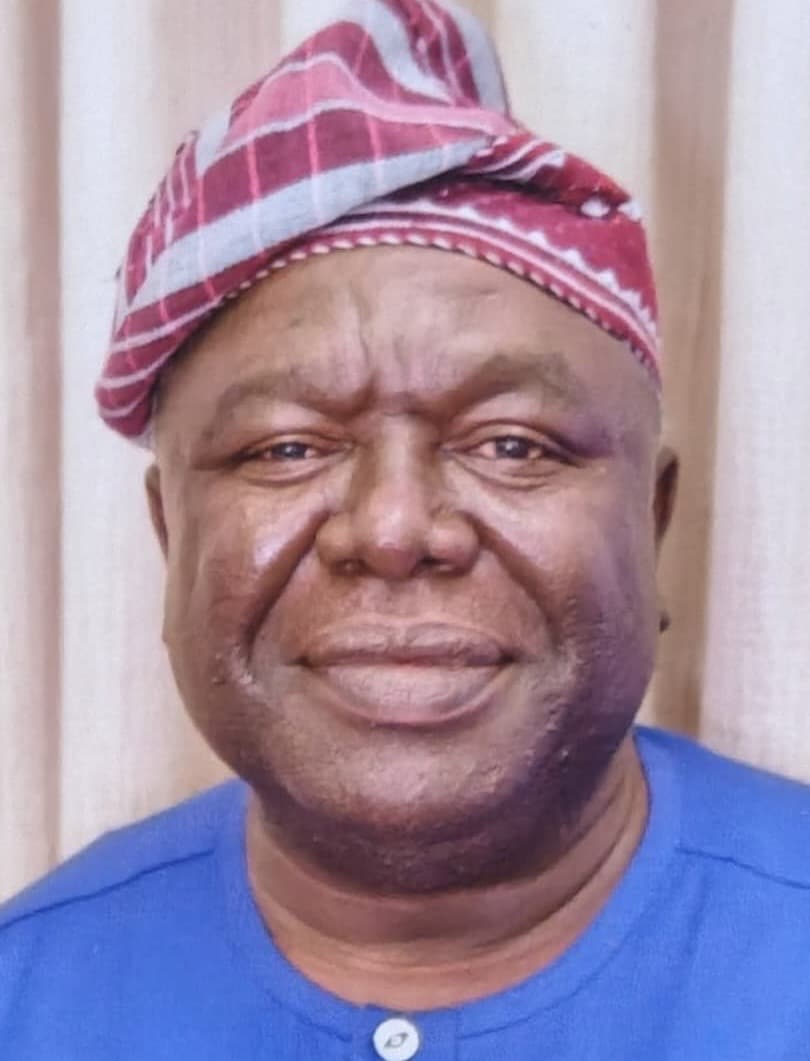

By: Isaac Monehin
There is something both amusing and deeply troubling about the passion with which some Nigerians approach partisan politics. Every election season, otherwise intelligent citizens sometimes suspend their critical faculties and enlist themselves as unpaid soldiers in the political battles of people who may not even know they exist.
Friendships are strained, families divided, and social media becomes a theatre of insults, ethnic suspicions and religious grandstanding. One would imagine that the survival of Nigeria depends entirely on whether a particular politician wins an election. But does it really?
Let us be fair: Nigerian politicians are not all the same. There are differences in competence, character, convictions and commitment to public service. Elections matter, and Nigerians have every right to support candidates they consider credible. The problem begins when competition between politicians becomes a personal war among ordinary citizens.
Consider the peculiar theatre of Nigerian politics. Political actors who once occupied the same party platforms, served in the same administrations or enjoyed cordial relationships sometimes become bitter adversaries when their ambitions collide. Former associates exchange accusations, and supporters are recruited into the ensuing verbal warfare.
Yet political alliances are rarely permanent. Today’s adversaries may become tomorrow’s allies. Yesterday’s fierce critics may discover common interests after an election. There is nothing inherently wrong with political reconciliation; it is part of democratic politics. The irony, however, is that while politicians retain the flexibility to change relationships, some supporters remain imprisoned by the bitterness of yesterday’s campaigns.
Imagine spending months abusing somebody because of his preferred presidential candidate, only to discover that the two politicians have attended the same wedding, exchanged warm pleasantries or negotiated a political understanding. What happens to your months of righteous indignation? Can it be refunded?
Perhaps we should establish a National Association of Unpaid Political Spokespersons. Members would defend every statement and political manoeuvre of their preferred candidates without receiving salaries, allowances or dividends. Their principal qualification would be an inexhaustible capacity to insult fellow citizens! But there is a much more serious dimension to this spectacle. Nigeria has been here before, and the consequences were anything but amusing.
We must not forget the political crisis that engulfed the Western Region during the First Republic, particularly the violence surrounding the disputed 1965 regional elections, popularly remembered as Operation Wetie. Political rivalry, factional struggles and electoral controversies turned communities into theatres of destruction. Houses were burnt, lives were lost, and the authority of government was severely undermined. The crisis contributed to the wider breakdown of the First Republic.
Neither should Ondo State forget August 1983. Following the disputed gubernatorial election between the NPN’s Akin Omoboriowo and the incumbent Adekunle Ajasin of the UPN, violence erupted across the state. Homes were attacked and burnt, lives were lost, and communities experienced a frightening breakdown of law and order.
These were not merely political statistics. They were human tragedies. Families lost loved ones, communities were traumatised, and the consequences extended far beyond the immediate political contests. Have we learnt enough from these painful experiences?
Today’s political circumstances are not necessarily identical to those of 1965 or 1983. But inflammatory rhetoric, electoral grievances, ethnic mobilisation and the reckless recruitment of ordinary people into political rivalries can create dangerous conditions.
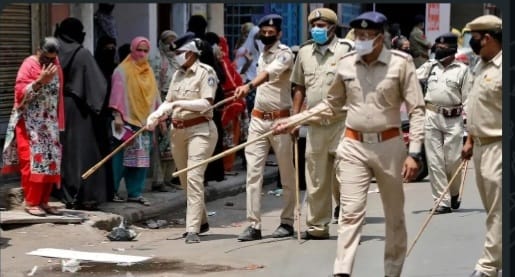
Already, newspapers are awash with stories of killings, beatings of opponents, smashing of campaign vehicles, use of inflammatory words, threats and other forms of political violence in the ongoing campaign ahead of the 2027 general elections. We must not, wittingly or unwittingly, prepare the ground for another national or regional tragedy.
Perhaps we should revisit Frantz Fanon, who, in The Wretched of the Earth, warned against the emergence of a postcolonial privileged class that inherits the structures of domination without fundamentally transforming them for the benefit of ordinary people. Walter Rodney, in How Europe Underdeveloped Africa, similarly challenged us to examine the economic structures and relationships that sustain exploitation and underdevelopment.
Their arguments invite us to look beyond the personalities occupying political offices and interrogate the institutions and economic arrangements that determine who benefits from national resources. Changing political personalities is important, but it is insufficient if the structures of inequality, exclusion and poor accountability remain untouched.
Meanwhile, some Nigerians devote extraordinary energy to defending wealthy political aspirants while struggling with unemployment, rising food prices and deteriorating public services. Surely, our collective circumstances deserve at least as much passion as the political fortunes of those seeking public office.
As 2027 approaches, Nigerians should examine candidates, interrogate manifestos, debate policies and vote according to their convictions. But do not turn your neighbour into an enemy because he supports a different candidate. No political ambition is worth another Nigerian’s blood.
The political elite generally have greater resources and protection when things go wrong. It is often ordinary young people who end up in police cells, hospitals, prisons and morgues. A politician’s ambition should never become another Nigerian’s obituary.
It is time to redirect our energies towards our collective interests: affordable food, decent employment, quality education, accessible healthcare, electricity, security, justice and accountable leadership. Build solidarity across ethnic, religious and partisan boundaries. Challenge injustice, whoever the perpetrator, irrespective of political affiliation.
We have had enough political crises. We have witnessed the devastation of Wetie and the painful experience of Ondo in 1983. We cannot afford to romanticise political violence or allow another generation to learn these lessons through bloodshed.
Let the politicians contest for power; do not let the people fight one another for the politicians. Leave the political gladiators to their contest. Stop being foot soldiers of other people’s ambitions and become architects of your own emancipation.
Remember: those you are quarrelling with today may be dining together tomorrow. Do not become the casualty of a political quarrel whose protagonists may have reconciled before the next election.
Isaac Monehin can be reached at monehinisaac@gmail.com
Leave a Reply