
By Sunday Ameh
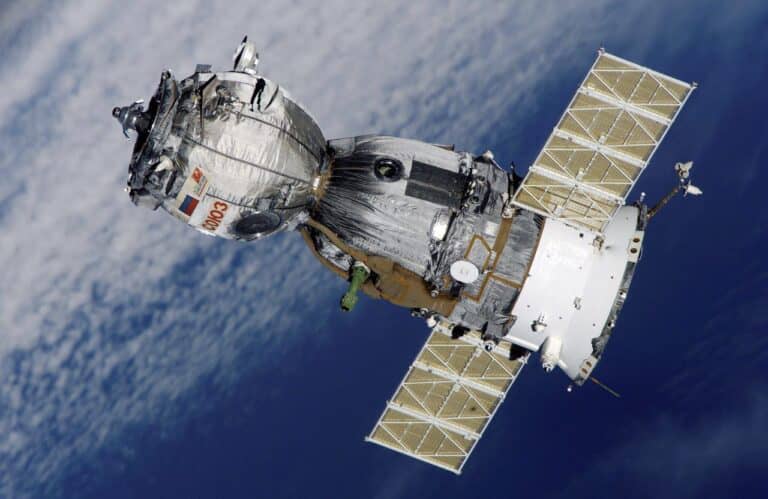
Security experts have urged the Federal Government to make substantial investments in geospatial intelligence technology as part of efforts to strengthen Nigeria’s fight against terrorism, banditry and kidnapping.
The call was made during a virtual dialogue organised by WeweNetwork Afrique, where participants stressed that the country’s evolving security challenges require intelligence-led strategies supported by advanced technology rather than relying solely on conventional military operations.
Speaking at the event, Professor Sunday Adejoh of the Department of Defence and Security Studies at the Nigerian Defence Academy (NDA) said modern security threats demand a shift from purely kinetic operations to technology-driven intelligence gathering. He explained that geospatial intelligence enables security agencies to identify, monitor and track criminal groups operating in forests and other difficult terrains.
Former Minister of State for Power, Goddy Jedy-Agba, also advocated the adoption of geospatial intelligence, noting that while human intelligence remains important, it has limitations that can be complemented by real-time technological surveillance. He said the technology would improve border security, monitor criminal movements and help curb the influx of illicit arms into the country.
Jedy-Agba argued that the deployment of geospatial intelligence could have prevented some of Nigeria’s most devastating mass abductions, including the Chibok schoolgirls’ kidnapping, by enabling authorities to track victims and perpetrators in real time.
Executive Director of the Nigerian Electricity Liability Management Company, Dimla Nchinney, described geospatial intelligence as a critical crime prevention tool and called for improved collaboration among security agencies. He lamented that agencies with advanced technological capabilities often fail to share intelligence and expertise with one another.
The experts, who co-authored the book Geospatial Intelligence in Complex Security Environment, said embracing the technology would not only enhance national security but also improve disaster risk management and national planning.
Participants further called for greater transparency and accountability in military spending, insisting that increased funding should be matched with measurable improvements in intelligence gathering, technology acquisition and operational effectiveness.
They also advocated comprehensive reforms of Nigeria’s security architecture, while ActionAid board member and founder of the African Centre for Leadership, Strategy and Development, Otive Igbuzor, stressed that security reforms should include better training, increased manpower and improved welfare for security personnel alongside investments in technology.




Leave a Reply