
By Paul Joseph
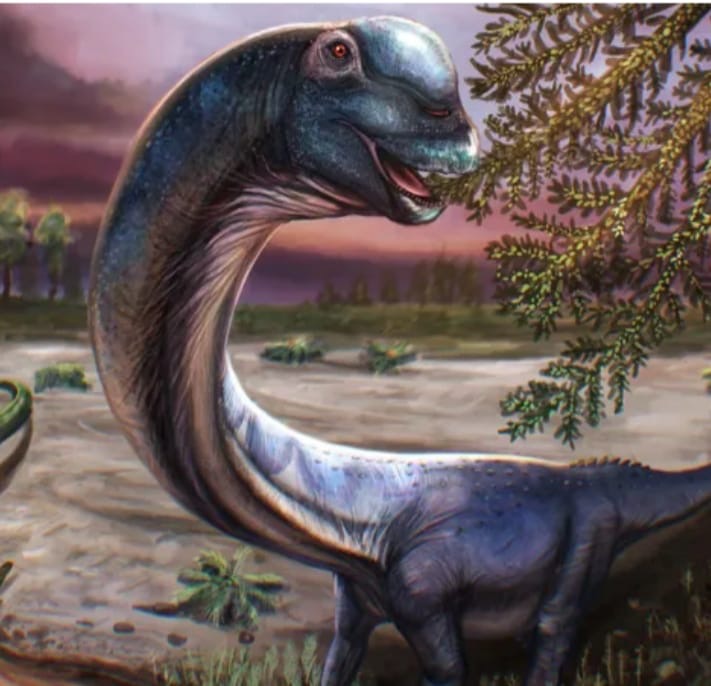
Scientists have identified a massive new species of long-necked dinosaur in Thailand, describing it as the largest dinosaur ever discovered in South-East Asia.
The newly identified species, named Nagatitan chaiyaphumensis, weighed an estimated 27 tonnes about the same as nine adult Asian elephants and stretched up to 27 metres (88 feet) in length, making it longer than the famous Diplodocus.
Researchers from Thailand and the United Kingdom identified the dinosaur from fossils unearthed near a pond in north-eastern Thailand around a decade ago.
According to the study published in the journal Scientific Reports, the dinosaur lived between 100 and 120 million years ago, roughly 40 million years before the emergence of the Tyrannosaurus rex.
The dinosaur’s name combines “naga,” a serpent-like creature from South-East Asian folklore, “titan,” from Greek mythology, and “chaiyaphumensis,” referring to Chaiyaphum Province in Thailand, where the fossils were discovered.
Lead researcher Thitiwoot Sethapanichsakul, a doctoral student at University College London, described the discovery as “the last titan” of Thailand because the fossils were found in the country’s youngest dinosaur-bearing rock formation.
“Younger rocks laid down towards the end of the dinosaur era are unlikely to contain dinosaur remains because the region later became a shallow sea. So this may be the last or most recent large sauropod we will find in South-East Asia,” he explained.
Sethapanichsakul, who described himself as a lifelong dinosaur enthusiast, said the discovery fulfilled a childhood dream of naming a dinosaur.
The discovery marks the 14th dinosaur species to be officially named in Thailand. Palaeontologist Sita Manitkoon of Mahasarakham University said Thailand possesses one of the richest collections of dinosaur fossils in Asia.
Scientists say the Nagatitan roamed Earth during a period of rising atmospheric carbon dioxide levels and high global temperatures, conditions that may have influenced the evolution of giant herbivorous dinosaurs.
Professor Paul Upchurch, a co-author of the study from University College London, said researchers were surprised that massive sauropods were able to thrive in such warm climates, since large-bodied animals tend to retain heat more easily.
He suggested that changing environmental conditions may have affected the plant life that sustained these enormous herbivores.
The discovery is expected to provide scientists with fresh insights into prehistoric ecosystems and the environmental conditions that allowed gigantic dinosaurs to flourish millions of years ago.






Leave a Reply