
By Opeyemi Adelakun
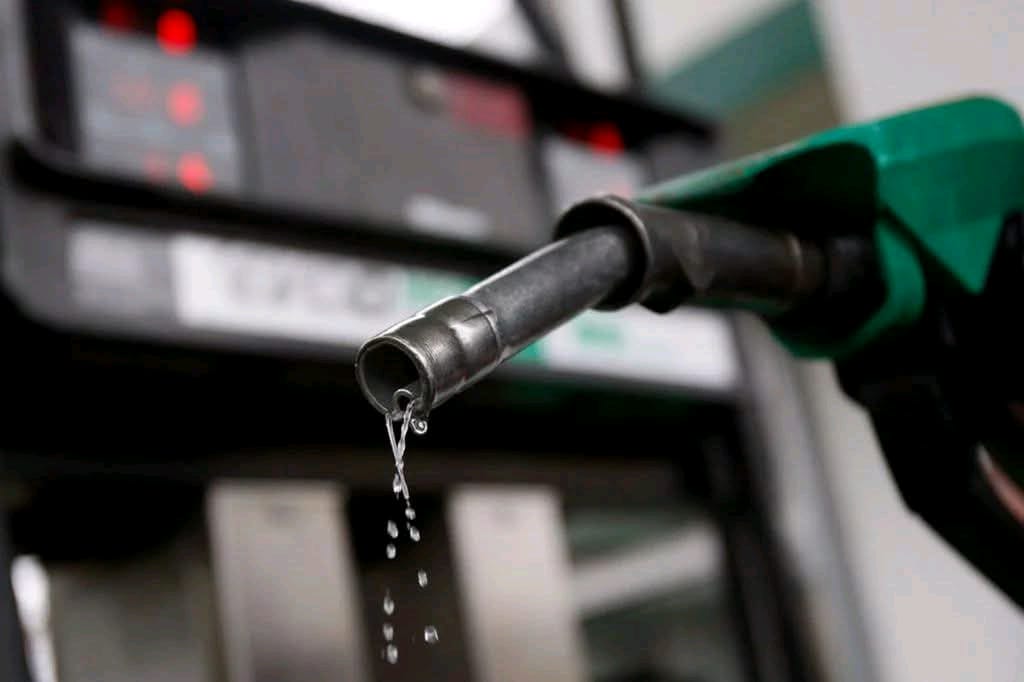
Fuel prices have started to decline across parts of Nigeria following a drop in global crude oil prices triggered by the easing of tensions in the Middle East.
The development comes after the Dangote Petroleum Refinery reduced its petrol gantry price by ₦75 per litre and cut diesel and aviation fuel prices by ₦100 per litre each, raising hopes of further relief for consumers.
Industry stakeholders, however, say fuel price reductions will be implemented gradually to prevent marketers from suffering heavy losses on products purchased at higher rates.
The Independent Petroleum Marketers Association of Nigeria (IPMAN) said the refinery was expected to adopt a phased pricing strategy rather than introduce sharp cuts that could destabilise the market.
According to IPMAN spokesman, Chinedu Ukadike, a sudden and significant reduction in fuel prices could leave many marketers stranded with expensive stock acquired before the recent decline in crude oil prices.
He explained that the refinery would likely continue to adjust prices in line with market realities, taking into account crude acquisition costs and refining expenses.
The latest adjustments followed a sharp decline in crude oil prices, which reportedly fell from about $120 per barrel during heightened tensions involving the United States and Iran to around $78 per barrel after diplomatic efforts eased the crisis.
Ukadike expressed optimism that fuel prices would continue to trend downward in the coming weeks, especially with plans to reopen the Strait of Hormuz, a critical global oil shipping route.
A source within the Dangote Group also indicated that the refinery was still processing crude purchased at higher prices during the crisis period, noting that this would influence the pace of future reductions.
The source maintained that fuel prices could fall further but stressed that market conditions and existing inventory costs must be considered before additional cuts are implemented.
Following Dangote’s latest adjustment, some private depot operators reportedly reduced their prices to remain competitive, while a number of filling stations have started making modest downward revisions to pump prices.
Despite the reductions, many retail outlets were still selling petrol at higher rates as of midweek, with marketers citing the need to exhaust old stock before reflecting current market prices.




Leave a Reply