
By Gloria Drealomalicha
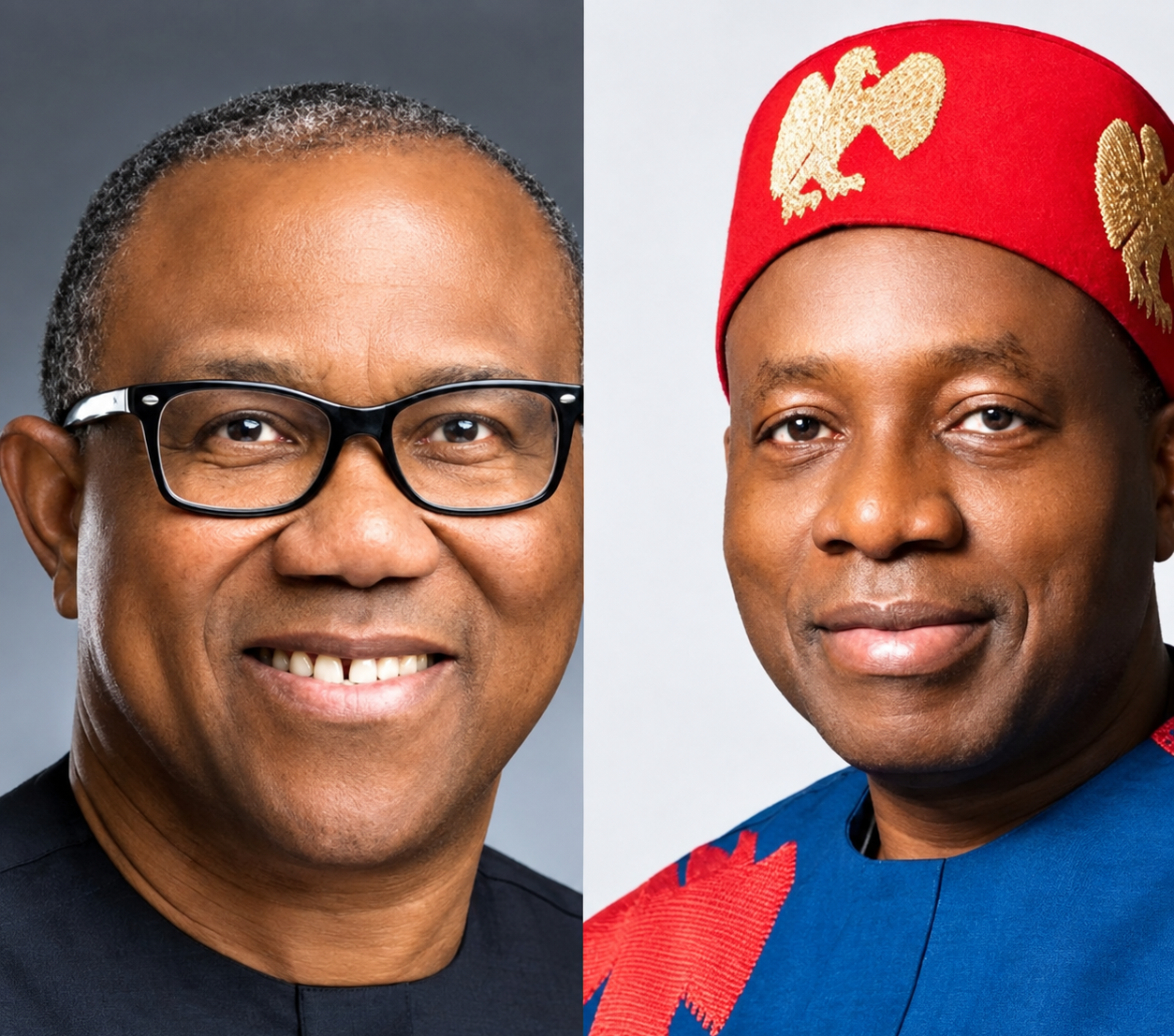
There is a popular saying that has resurfaced repeatedly in conversations about Peter Obi: “The problem of an Igbo man is another Igbo man.”
It is a harsh statement. It is also a controversial one.
But as the former Anambra State governor’s political battle intensifies ahead of the 2027 presidential election, some supporters and commentators are asking an uncomfortable question: why does one of the most prominent politicians to emerge from the South-East face such fierce opposition from some voices within his own political backyard?
The question has become even louder following the latest war of words between Obi and the administration of his successor, Governor Chukwuma Soludo, over billions of naira allegedly left behind as debts and savings.
What was once an argument about Anambra’s finances has now become something much bigger a political battle over reputation, legacy, loyalty and the question of whether a man seeking to govern Nigeria can first survive the politics of his own home.
From ₦75 billion savings to ₦127 billion debt
Peter Obi left office as Anambra governor on March 17, 2014.
More than 12 years later, his financial record in the state has suddenly returned to the centre of national political conversation.
Obi has maintained that he left substantial funds behind for his successor and has repeatedly pointed to what he described as more than ₦75 billion in savings and investments.
He has also rejected allegations that his administration left behind unpaid salaries, pensions, gratuities or liabilities to contractors whose projects had been duly executed and certified.
On Tuesday, September 15, Obi went a step further.
He challenged those accusing his administration of leaving debts to produce evidence — saying he would stop his 2027 presidential campaign if the allegations were established.
Then came the response from Anambra.
The Soludo administration released details of eight external loans which it said were linked to previous administrations and remained outstanding.
According to the state government, the loans had an original value of about $123.77 million, with $92.35 million still outstanding as of June 30, 2026 — equivalent to approximately ₦127.37 billion at the exchange rate used by the government.
The loans were connected to projects involving malaria control, erosion management, healthcare, education, agriculture and community development.
The government also challenged Obi’s claim that more than ₦2.13 billion in ecological funds was left in a First Bank account.
Obi has rejected the government’s account.
And that is where the battle gets interesting.
Because this is no longer merely about money.
It is about who gets to define Peter Obi’s legacy in Anambra State.
The man who became a national political symbol
For many Nigerians, Peter Obi is no longer simply a former governor of Anambra.
His 2023 presidential campaign transformed him into one of the country’s most recognisable opposition politicians.
The “Obidient” movement grew beyond party structures and attracted supporters from different parts of Nigeria.
That is what makes the current situation particularly fascinating.
A politician who built a nationwide support base is now having one of his most fiercely contested political arguments in the very state where his political career was built.
And some of the loudest criticism directed at him has come from people within the South-East political space.
That has created a paradox.
Loved outside, questioned at home?
Supporters of Obi often ask why politicians from the South-East cannot rally around one of their most prominent sons in the same way supporters of politicians from other regions often mobilise around their own.
But that argument comes with an important caveat.
The South-East is not politically homogeneous.
Igbos, like Nigerians from every other part of the country, hold different political opinions.
Some support Obi.
Some support President Bola Tinubu.
Some support Atiku Abubakar.
Some support Rabiu Kwankwaso.
Others are politically undecided or uninterested in any of them.
So the claim that “Igbos are against Peter Obi” would be too sweeping.
But the existence of strong opposition to Obi from some prominent voices within his region is undeniable — and that opposition is becoming increasingly difficult to ignore.
Soludo versus Obi
The Soludo-Obi relationship has become one of the most intriguing political dynamics in Anambra.
Soludo succeeded Obiano, not Obi, but Obi remains an influential figure in the state’s political history.
The latest financial dispute has therefore revived old arguments about what exactly Obi handed over in 2014.
The Soludo administration says it has continued to service inherited obligations.
Obi says his administration left the state in a financially responsible position.
The state has now published figures.
Obi has released documents and challenged the government’s interpretation of the numbers.
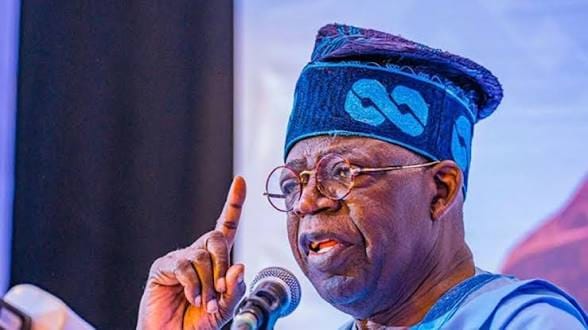
The Presidency has also joined the argument, with President Tinubu’s Special Adviser on Information and Strategy, Bayo Onanuga, challenging Obi over his pledge to withdraw from the 2027 race if his claims about Anambra’s finances are proven wrong.
And suddenly, an old handover dispute has become campaign material.
Then came another question: where are Obi’s allies?
The controversy has also highlighted how complicated Obi’s political journey has become.
Some former allies have moved away from him.
One of the most notable examples is actor-turned-politician Kenneth Okonkwo, who was once closely associated with Obi’s political camp before their relationship deteriorated.
Their disagreement eventually escalated into a legal battle, with Obi filing a defamation suit against Okonkwo.
The development became another talking point among Nigerians watching the former governor’s political journey.
To Obi’s supporters, it is evidence of a troubling pattern: people who once stood beside him eventually become some of his fiercest critics.
To his opponents, however, it is simply politics — alliances are formed, interests change and political relationships sometimes collapse.
The South-East is not waiting for one candidate
Perhaps one of the most important developments ahead of 2027 is the growing competition for political influence in the South-East.
The emergence of pro-Tinubu political structures in the region has challenged the assumption that support from the South-East will automatically consolidate behind an Igbo presidential candidate.
The City Boy Movement, for instance, has established a presence in the region, with businessman Obi Cubana appointed to coordinate its activities in the South-East.
That development demonstrates something Nigerian politics has repeatedly shown:
ethnicity may influence politics, but it does not completely determine how people vote.
There are Igbos who support Tinubu.
There are Igbos who support Obi.
There are Igbos who support Atiku, Kwankwaso and other political figures.
And there are Igbos who reject all of them.
That is democracy — messy, emotional and often deeply personal.
So, is “the problem of an Igbo man another Igbo man”?
This is where the debate becomes uncomfortable.
Some Obi supporters believe the former governor is being held to a different standard by people from his own region.
They point to the relentless criticism from some South-East politicians and commentators and ask why a politician who enjoys considerable support outside the region appears to face such resistance within it.
Others reject that argument entirely.
They argue that being Igbo does not create an obligation to support an Igbo politician.
And they have a point.
A person does not become disloyal to his ethnic group simply because he disagrees with a politician from that group.
In fact, demanding ethnic loyalty from voters can be just as dangerous as demanding religious loyalty.
The more important question should be whether a politician’s records, policies, character and political programme can withstand scrutiny.
But the irony remains
There is, nevertheless, an irony that cannot easily be ignored.
Peter Obi’s political brand has increasingly presented him as a candidate capable of transcending regional politics.
His supporters point to the nationwide nature of the Obidient movement as evidence that his appeal goes beyond the South-East.
Yet the man who wants to lead Nigeria continues to face one of his most consequential political battles in Anambra.
And that raises another question:
If Obi cannot secure broad political acceptance in the region where his political career began, what does that mean for his wider presidential ambition?
The answer, ultimately, will not come from social media.
It will come from voters.
Beyond the noise
For now, the Anambra financial dispute remains unresolved in the public arena.
The state government says outstanding loans linked to previous administrations stood at $92.35 million, or ₦127.37 billion, as of June 30, 2026.
Obi rejects the claim that he left Anambra with the liabilities being attributed to his administration and says he cleared more than ₦35 billion in historical gratuities and arrears before leaving office.
Those competing claims should ultimately be tested against the underlying financial records, loan agreements, audited accounts, bank statements, payment records and official handover documents.
Until then, the political noise will continue.
But perhaps the biggest story is not actually the billions.
It is the growing political contradiction surrounding Peter Obi.
A man whose supporters believe he represents a national alternative is being challenged by political voices from his own backyard.
A former governor celebrated by many Nigerians is being asked to defend his record by the very state he once governed.
And a politician preparing for another presidential contest is discovering that sometimes, the hardest political battle is not against the opponent standing across the field.
Sometimes, it is the argument happening at home.
That is why the old saying — “the problem of an Igbo man is another Igbo man” — has once again found its way into Nigeria’s political conversation.
Whether it is a fair description of the South-East is another question entirely.
But the debate it has triggered is very real.



Leave a Reply