

By Abdulqadir Muhammad Alhaji
Nigeria’s electricity sector remains trapped in a cycle of underperformance and instability, with fresh concerns emerging after the national grid dropped to approximately 3,940 megawatts in March 2026–an output widely considered insufficient for a country of over 200 million people.
Despite having an installed generation capacity of about 13,000MW, the country continues to transmit only between 3,500MW and 5,500MW on most days, highlighting a persistent gap between potential and actual delivery.
Energy analysts say the shortfall is driven by a combination of gas supply constraints, weak transmission infrastructure, mounting sector debt, and recurring grid failures.
According to data from the Nigerian Electricity Regulatory Commission, Nigeria recorded over 200 partial and total grid collapses between 2010 and 2022, averaging roughly one every few weeks. In 2024 alone, industry reports indicate about a dozen grid disturbances, underscoring the fragility of the system.
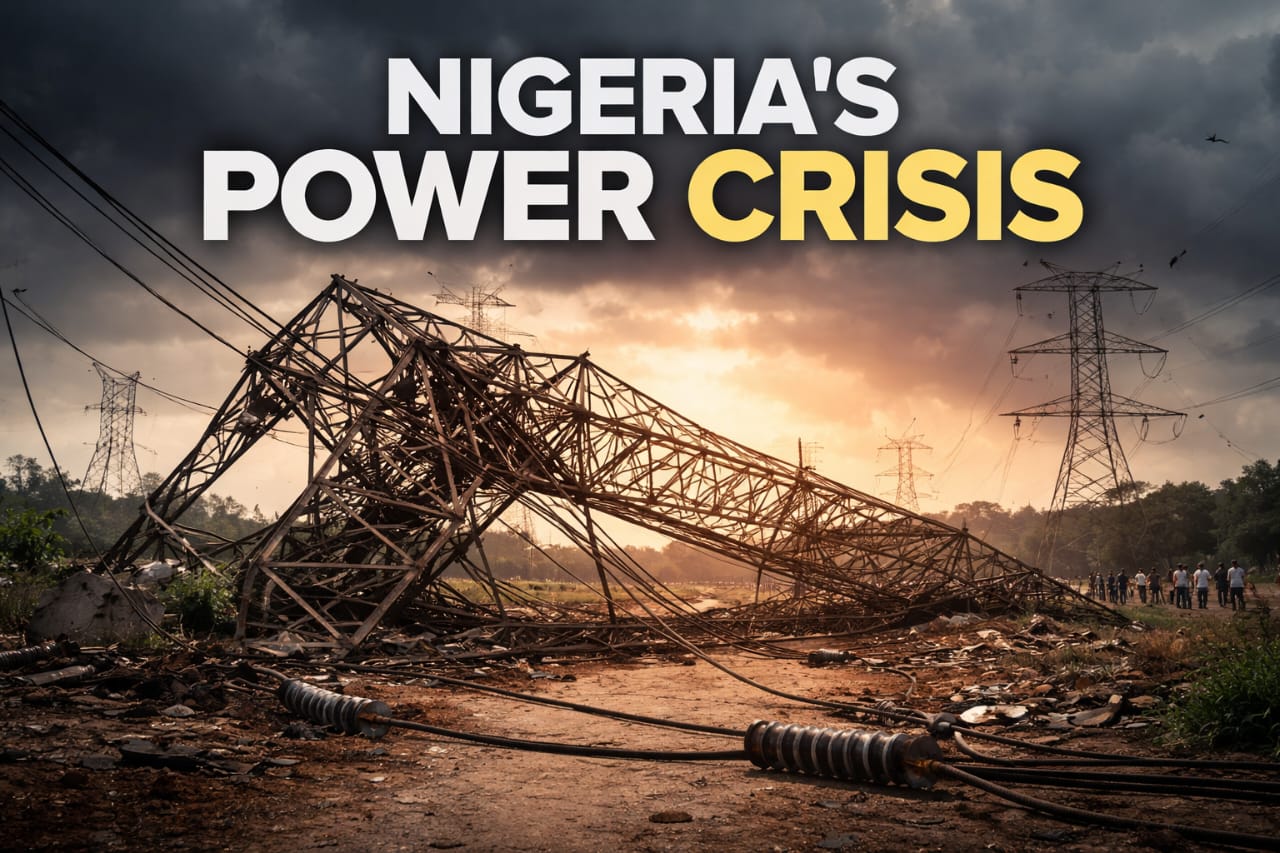
The instability has been worsened by infrastructure vandalism, with transmission towers frequently targeted, leading to costly repairs and prolonged outages in affected regions.
At the core of the crisis is a severe liquidity problem. The power sector is currently burdened by debts estimated in the trillions of naira, owed to generation companies and gas suppliers. A significant portion of this debt is linked to unpaid gas supplies, forcing suppliers to cut back on deliveries.
Thermal power plants, which depend heavily on gas, are receiving less than half of their required supply, further reducing generation capacity and worsening electricity shortages nationwide.
As public supply continues to falter, Nigerians have increasingly turned to self-generation. Estimates suggest that more than 20 million generators are in use across the country, collectively producing tens of thousands of megawatts–far exceeding what the national grid delivers.
This reliance comes at a high cost. Households and businesses are estimated to spend between $10 billion and $14 billion annually on fuel and maintenance for generators, placing a heavy financial burden on the economy.
The manufacturing sector has been among the hardest hit. Industry groups report that hundreds of companies have shut down or scaled back operations in recent years due to unreliable power supply, while thousands of jobs have been lost. Businesses that remain operational continue to spend heavily on alternative energy sources, further increasing production costs.
The economic impact is significant. The World Bank estimates that power shortages cost Nigeria up to $29 billion annually–equivalent to roughly 10 percent of the country’s gross domestic product.
Comparatively, other African countries have made notable progress. Egypt has expanded its electricity capacity to over 55,000MW through aggressive reforms and partnerships, including large-scale projects executed by Siemens. Similarly, South Africa maintains significantly higher generation capacity, although it continues to face its own operational challenges.
In Nigeria, government interventions–including financial support programs and proposed bond issuances–have yet to produce the desired turnaround at scale. While some funds have been released, stakeholders say implementation remains slow and insufficient relative to the size of the crisis.
Experts argue that the country’s electricity challenges go beyond infrastructure and point to deeper governance and policy issues. Without sustained reforms, improved market discipline, and stronger investment in transmission and distribution networks, the sector is unlikely to meet growing demand.
As Nigeria continues to pursue economic growth and industrialization, the need for stable and reliable electricity remains critical. For now, however, millions of citizens and businesses must continue to rely on costly alternatives to keep the lights on.






Leave a Reply