
By Paul Joseph
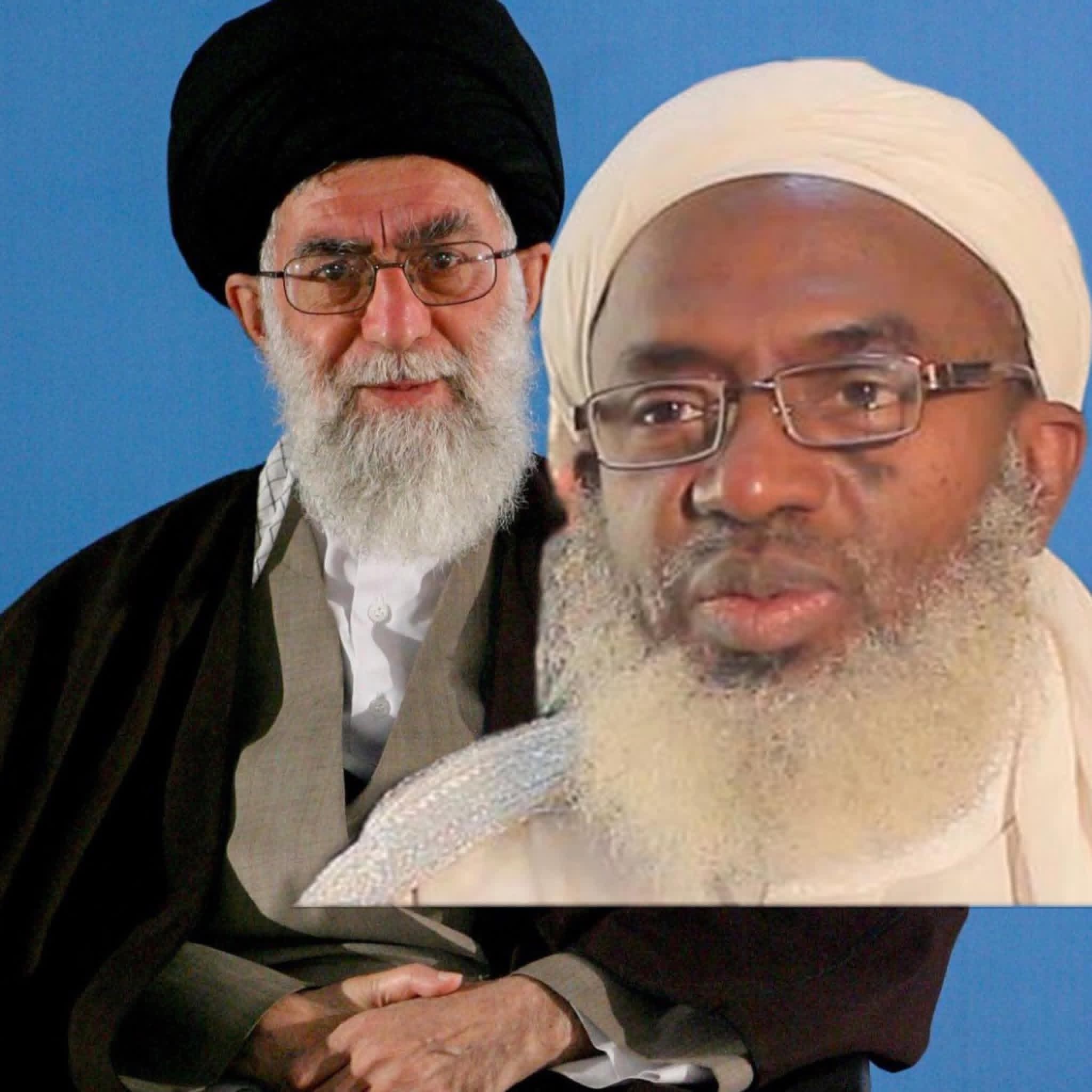
Controversial Nigerian Islamic scholar Ahmad Abubakar Mahmud Gumi has joined a chorus of regional and global reactions following the news of the death of Ayatollah Ali Khamenei, the long-time Supreme Leader of Iran.
Ayatollah Ali Khamenei was killed in a combined military strikes by the United States and Israel.
The confirmation from Tehran’s state media has however plunged the geopolitical landscape into turmoil, sparking mourning, condemnation, and uncertainty across the Muslim world.
Speaking on social media, Gumi described the late Iranian leader as someone who “stood for justice” and framed his death in the context of resistance against what he called “the killers of innocent children and women in Gaza and elsewhere.”
He asserted that Khamenei’s blood would “fuel change in the ummah,” urging Muslims not to be alarmed but to remain vigilant in the face of what he termed a defining moment for global Islamic solidarity.
Iranian state television, as well as multiple international reports, confirmed that Khamenei who had led Iran since 1989 was killed during a major offensive against Iranian military and political sites on Saturday. In response, Iran has declared a 40-day national mourning period and held funeral rites for its supreme leader.
The joint U.S.–Israeli strikes mark one of the most significant escalations in the ongoing conflict pitting Tehran against Western and regional powers. Officials in Washington had publicly acknowledged Khamenei’s death before Tehran’s announcement, with former U.S. President Donald Trump describing the event as a pivotal moment that could open new possibilities for the Iranian people.
In Iran and across the Middle East, the news has triggered a range of responses from formal condemnation by Iranian authorities, who have denounced the strikes as violations of sovereignty and international law, to celebrations and protests among those who have long opposed Iran’s theocratic system.
International diplomats and analysts have warned the development could reshape regional alliances and amplify existing conflicts.
Sheikh Gumi’s reaction reflects a strand of interpretation within some Muslim communities that see Khamenei’s death not solely as a geopolitical crisis but also as a potential catalyst for deeper unity and change within the wider Islamic world.
Whether this perspective will gain broader traction remains uncertain, particularly as leaders and citizens alike grapple with the fallout from one of the Middle East’s most dramatic leadership upheavals in decades.




Leave a Reply