
By George Omagbemi Sylvester
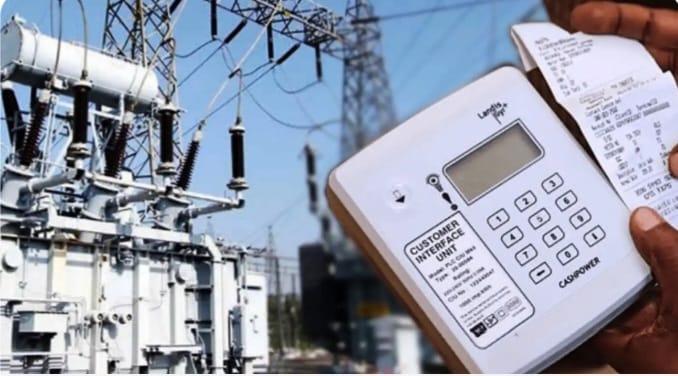
Fresh economic pressure may soon hit millions of Nigerians as the Federal Government considers another increase in electricity tariffs amid mounting debts, subsidy concerns, and growing pressure from power generation companies.
The discussions intensified on May 12, 2026, following renewed calls by electricity generation companies (GenCos) and industry stakeholders for tariff adjustments to reflect rising gas prices and operational costs across the power sector. Reports indicate that operators are demanding urgent action from the Nigerian Electricity Regulatory Commission (NERC), warning that the current pricing structure is no longer sustainable.
The planned adjustment comes barely two years after the controversial Band A tariff increase, which raised electricity costs by over 300 percent for many urban consumers.
Despite the hike, Nigerians continue to experience unstable power supply, persistent blackouts, and rising estimated billing complaints.
Government officials have repeatedly argued that electricity subsidies have become a major financial burden on the country, with subsidy obligations running into trillions of naira.
Lawmakers and economic officials recently pushed for complete subsidy removal as part of broader fiscal reforms under the Tinubu administration.
However, the possibility of another tariff increase has triggered concerns among consumers, businesses, and economic analysts already struggling with inflation, fuel costs, and declining purchasing power.
Many fear that higher electricity charges without corresponding improvement in supply could further deepen hardship across the country.


Leave a Reply