
By Paul Joseph
The Defence Headquarters has released new details on the activities of slain ISIS commander Abu-Bilal al-Minuki, describing him as a long-standing and influential figure within the global terrorist network for over a decade.
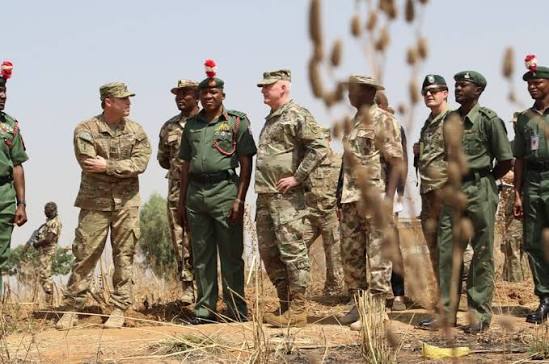
According to the military, al-Minuki was killed during a joint counterterrorism operation conducted by Nigerian forces in collaboration with the United States military.
In a statement issued by the Director of Defence Information, Samaila Uba, the Defence Headquarters said the deceased commander played a central role in ISIS operations, including weapons production, drone development, propaganda coordination, and financial management.
The military further disclosed that intelligence reports suggested al-Minuki may have been elevated in February 2026 to lead the ISIS General Directorate of States, a position believed to place him among the highest-ranking figures within the organisation globally.
Before joining ISIS in 2015, authorities said he had previously been linked to Boko Haram activities and was allegedly involved in coordinating major attacks across Nigeria and the wider Lake Chad Basin region.
The Defence Headquarters also connected him to the 2018 Dapchi schoolgirls kidnapping and accused him of orchestrating cross-border insurgent operations across West Africa and the Sahel through ISIS-affiliated networks.
Military officials stated that al-Minuki also played a role in facilitating the movement of fighters to Libya between 2015 and 2016 to support ISIS operations in North Africa.
The operation was earlier confirmed by former United States President Donald Trump, who described al-Minuki as “the most active terrorist in the world” and identified him as the second-in-command of ISIS globally.
The Defence Headquarters described the killing as a major breakthrough in the fight against terrorism in Nigeria, the Lake Chad Basin, and the wider Sahel region, saying it significantly disrupts ISIS’s international operational structure and coordination network.






Leave a Reply