
By George Omagbemi Sylvester
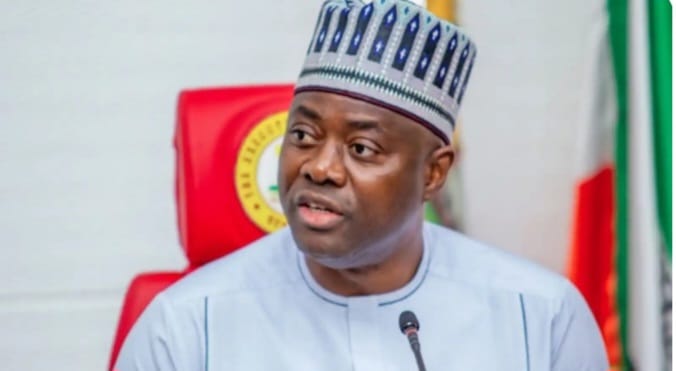
Oyo State Governor Seyi Makinde has addressed renewed political debates over religious representation in the state’s leadership structure, including claims that no Christian senator has emerged from Oyo since 2015, while warning against attempts to introduce religious identity as the basis for gubernatorial choices.
April 29, 2026 — Speaking during a political engagement in Ibadan, Makinde argued that governance and leadership selection in Oyo State should not be reduced to religious arithmetic, insisting that competence, trust, and public service delivery must remain the primary criteria for political office.
His comments come amid growing conversations within political circles about zoning, religion, and representation ahead of the 2027 elections.
The governor referenced the long-standing political history of the state, noting that both Muslim and Christian leaders have governed Oyo at different times without religious conflict defining electoral outcomes.
Analysts say his position reflects an attempt to de-escalate emerging identity-based narratives that could deepen political tension in a highly competitive election cycle.
Makinde also cautioned against what he described as “religious engineering of political offices,” stressing that such approaches risk undermining unity in a diverse state like Oyo, where both Christianity and Islam have significant followings.
Political observers note that the debate over religious representation is becoming increasingly prominent in southwestern politics, but argue that electoral outcomes in recent cycles have been more influenced by performance, alliances, and party structure than religious affiliation.
The governor reaffirmed that his administration will continue to maintain balance and inclusivity, while urging stakeholders to focus on development priorities rather than divisive identity politics.


Leave a Reply