

By George Omagbemi Sylvester
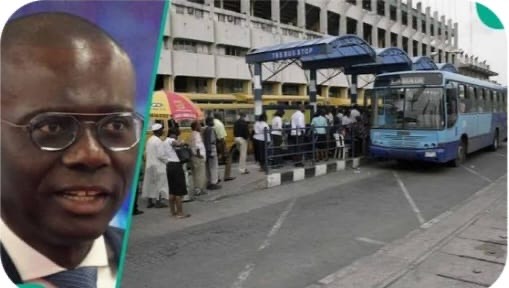
Lagos State has formally approved a 13 per cent increase in fares for its Bus Rapid Transit (BRT) system and other Bus Reform Initiative (BRI) services, a decision signed off by Governor Babajide Sanwo‑Olu and scheduled to take effect from Monday, March 2, 2026.
The announcement, made through a statement by Kolawole Ojelabi, Head of Corporate Communication at the Lagos Metropolitan Area Transport Authority (LAMATA), comes amid intense economic pressures on public transport operators.
The government says the increase responds to sustained operational cost spikes (including vehicle maintenance, imported spare parts, and higher wage bills after the introduction of the new national minimum wage) which threaten the viability of regulated bus services. Lagos officials also highlighted persistent inflation, which closed 2025 at around 15.2 per cent, as a key driver of cost escalation.
Public policy experts, however, stress the burden this places on commuters already squeezed by general inflation and living costs. Transport economist Dr. Chinedu Okafor argues, “Fare adjustments may be economically rational, but without concurrent social support measures, they risk deepening hardship for low‑income riders who depend daily on BRT services.” Conversely, urban planning specialist Prof. Amina Yusuf notes that “sustainable transit systems require cost‑reflective pricing to survive, but governments must couple fare changes with service improvements.” This calibrated juxtaposition underscores the delicate balance Lagos faces between financial sustainability and commuter affordability.
As the policy rolls out, commuters and civil society groups are expected to scrutinise service delivery outcomes against the backdrop of a rising cost‑of‑living environment.





Leave a Reply