
By Paul Joseph
Israel and the Iran-backed Lebanese armed group Hezbollah have agreed to a ceasefire, according to a senior United States official, following renewed fears that escalating violence in Lebanon could jeopardise the recently signed US-Iran agreement aimed at ending hostilities across the region.
The ceasefire reportedly came into effect at 4:00 p.m. local time on Friday after days of intense fighting that left dozens dead and heightened concerns over regional stability.
The agreement follows mounting pressure to preserve the US-Iran memorandum of understanding, which calls for an immediate and permanent halt to military operations on all fronts, including Lebanon.
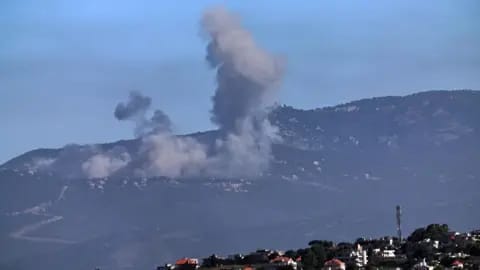
Before the truce was announced, Lebanon’s Health Ministry said Israeli airstrikes carried out since midnight had killed at least 47 people and injured 97 others.
Israel said its military operations were launched in retaliation for an attack by Hezbollah that killed four Israeli soldiers. The Israeli military also stated that it had targeted Hezbollah command centres in the Beqaa Valley and other militant positions before confirming the ceasefire.
The Israel Defense Forces (IDF) later announced that the ceasefire was in effect but stressed that it remained prepared to resume military operations if necessary.
The latest escalation came despite growing diplomatic friction between the United States and Israel following the US-Iran agreement.
US President Donald Trump had publicly urged Israeli Prime Minister Benjamin Netanyahu to exercise greater restraint in Lebanon, while Vice President JD Vance also criticised Israeli officials who questioned the agreement.
The conflict in Lebanon intensified in March after Hezbollah launched rockets into northern Israel following an Israeli strike that reportedly killed Iran’s supreme leader. Israel responded with extensive airstrikes and a ground offensive in southern Lebanon aimed at pushing Hezbollah fighters away from its northern border.
According to Lebanese authorities, nearly 4,000 people have been killed and thousands more injured since the latest phase of the conflict began, with around one million people displaced and entire communities in southern Lebanon devastated.
While the ceasefire offers hope for a reduction in violence, analysts caution that its durability will depend on both sides exercising restraint amid continued political and military tensions across the region.




Leave a Reply