

By Paul Joseph
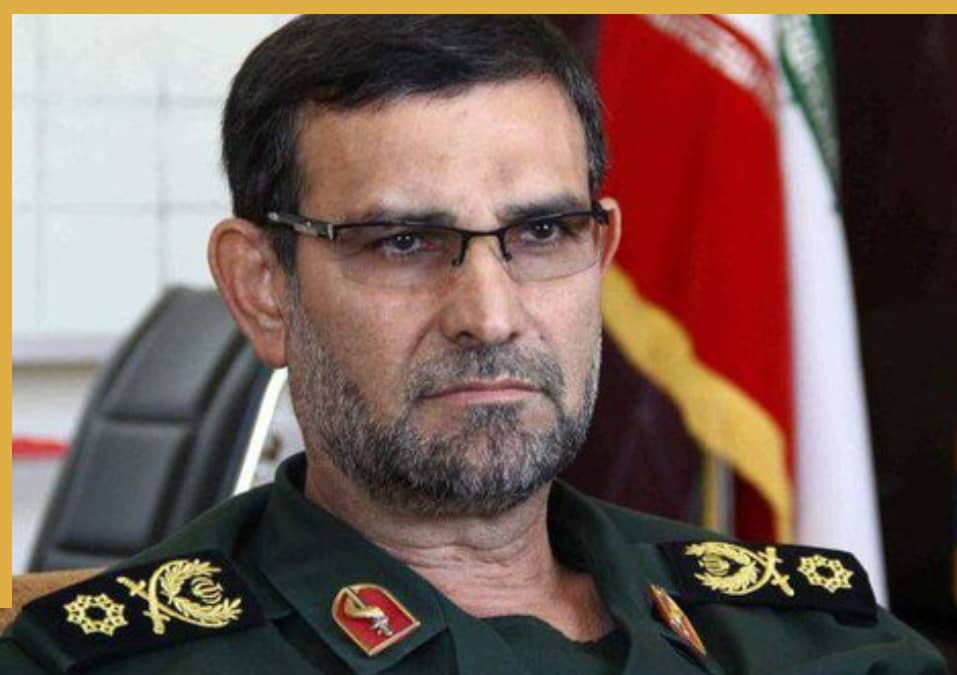
Israel has announced the killing of a senior Iranian naval commander overseeing operations linked to the blockade of the strategically vital Strait of Hormuz.
Defence Minister Israel Katz said Israeli forces had eliminated Alireza Tangsiri, accusing him of overseeing operations linked to the blockade of the strategically vital Strait of Hormuz.
Katz described Tangsiri as “directly responsible” for actions that effectively shut down the narrow waterway, adding that the commander had been “blown up” in a targeted strike. Iranian authorities have yet to confirm the claim.
The Strait of Hormuz remains one of the world’s most critical oil transit routes, with a significant portion of global oil supply passing through the corridor daily. Any disruption in the channel has immediate ripple effects on global markets.
Earlier, an influential international policy group warned that the blockade was already “raising costs, weighing on demand and adding to inflationary pressures” worldwide, as energy prices respond to growing instability in the region.
Meanwhile, Donald Trump said that Iran has been “militarily obliterated” and claimed its negotiators are “begging” for a deal, an assertion swiftly rejected by Tehran, which insists no talks with Washington are currently taking place.
Diplomatic uncertainty continues to deepen the crisis. On Wednesday, an Iranian official outlined five conditions for ending the conflict, following reports that Tehran had received a 15-point proposal from the United States aimed at de-escalation.
The situation on the ground remains volatile, with ongoing strikes reported in Iran and Lebanon. In Abu Dhabi, at least two people were killed after debris from an intercepted missile believed to have originated from Iran fell in a populated area.
As military actions intensify and diplomatic efforts stall, concerns are mounting that the conflict could spiral further, with far-reaching consequences for regional stability and the global economy.






Leave a Reply