
By George Omagbemi Sylvester
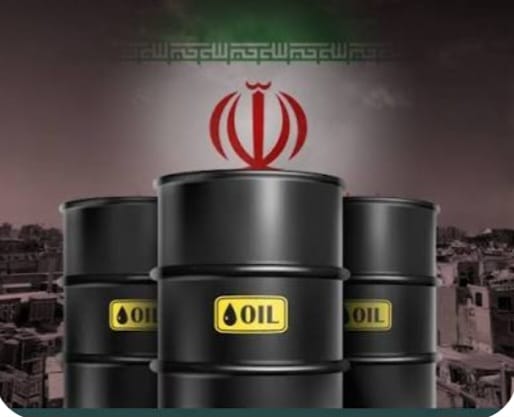
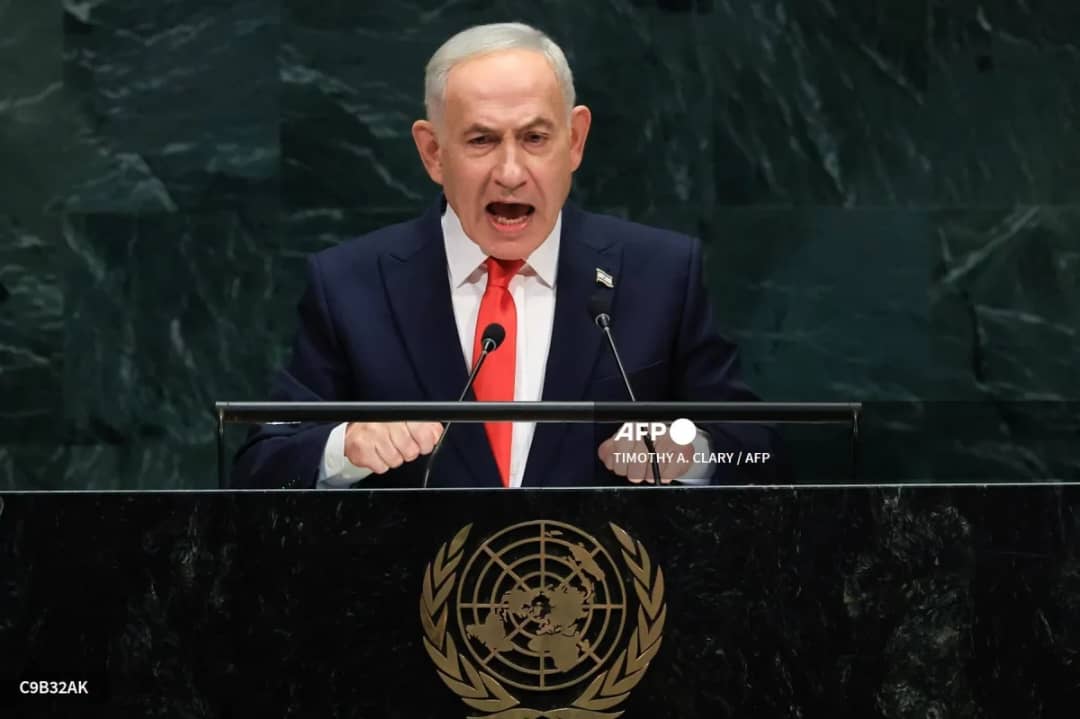
Iran’s Khatam al‑Anbiya military command spokesperson, Ebrahim Zolfaqari, declared on Wednesday, March 11, 2026, that Tehran would **not allow “a single litre of oil” to pass through the strategic Strait of Hormuz for the benefit of the United States, Israel or their allies, as part of its ongoing military confrontation in the Middle East. Zolfaqari warned that any oil shipment bound for those countries “will be a legitimate target” amid escalating hostilities involving Iran, the U.S. and Israel.
The Strait of Hormuz is a critical chokepoint through which nearly one‑fifth of global crude oil supplies normally transit, and threats to disrupt flow have already sent oil prices past $100 per barrel and contributed to market volatility. Iran’s statement suggested that regional insecurity could push prices as high as $200 a barrel if disruptions persist.
This warning came just as global energy markets reacted to supply disruptions driven by attacks on shipping and infrastructure near the Gulf. In response to the risk of prolonged disruption, the International Energy Agency (IEA) announced a record coordinated release of 400 million barrels from strategic reserves to help calm markets, while crude benchmarks surged before easing.
Iran’s stance underscores the geopolitical leverage it holds over global energy flows and highlights how extended conflict could further destabilize markets already sensitive to security risks in the region.


Leave a Reply