
By Paul Joseph
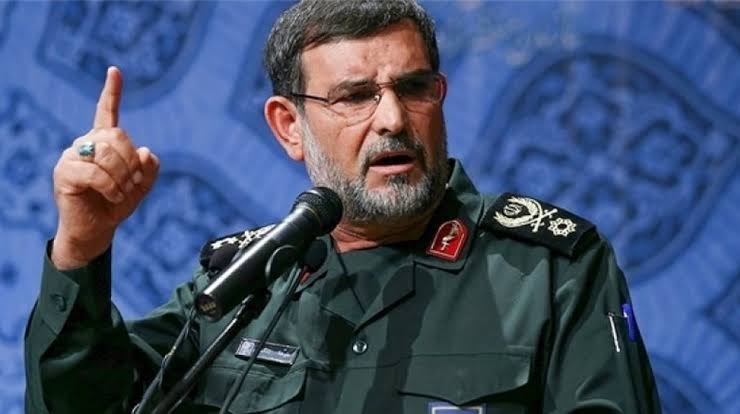
Iran has signalled it is open to striking agreements with European countries seeking access through the strategic Strait of Hormuz, in a move that could reshape maritime traffic amid escalating tensions in the region.
The development comes as the vital waterway through which a significant share of the world’s oil supply passes remains severely disrupted following the ongoing conflict involving the United States and Israel.
Shipping traffic has dropped sharply due to security concerns, retaliatory attacks, and restrictions imposed by Tehran.
Iranian officials indicated that European nations willing to engage diplomatically could be granted transit arrangements, similar to understandings already reached with some Asian and non-Western countries.
In recent days, Tehran has allowed or negotiated limited passage for select nations under specific conditions, often requiring coordination with its authorities.
The offer appears to be part of a broader strategy by Iran to distinguish between what it considers “hostile” and “non-hostile” countries, with access to the strait increasingly tied to political positioning in the conflict.
The move comes as European powers scramble to respond to the deepening crisis. A UK-led coalition of more than 40 countries is already exploring diplomatic options to reopen the waterway and stabilise global energy markets.
Analysts say Iran’s latest stance could provide a narrow diplomatic opening for Europe, which has been hit hard by rising energy costs and supply disruptions linked to the blockade.
However, questions remain over the conditions such deals would entail, including potential transit fees and security guarantees.
The Strait of Hormuz is widely regarded as one of the world’s most critical route chokepoints, handling roughly a fifth of global oil shipments. Any prolonged disruption has far-reaching implications for global trade, inflation, and energy security.
While Iran maintains that “non-hostile” vessels may pass, uncertainty and ongoing hostilities continue to deter most commercial shipping, leaving global markets on edge as diplomatic efforts intensify.





Leave a Reply