
By George Omagbemi Sylvester
Valentine’s Day 2026 in Nigeria unfolded as a blend of grand romantic gestures, street-level kindness, and cautious public messaging, as couples, families, and communities marked the annual celebration against the backdrop of economic strain and social concerns.
In Lagos, one of the most widely reported love stories came from music video producer Femi Dapson, founder of Nouvelle Films, who transformed the city’s skyline into a romantic canvas. To celebrate his fiancée, he mounted a series of love notes on prominent billboards across the metropolis, a sweeping public declaration that quickly captured attention and social media admiration.
The gesture stood out not only for its scale but also for its symbolism. In a country where many couples are tightening budgets due to inflation and rising living costs, the billboard proposal became a rare spectacle of opulence and devotion. Yet it also highlighted a broader cultural trend: the increasing desire among Nigerians to create highly personalised and memorable Valentine experiences rather than traditional dinners or generic gifts.
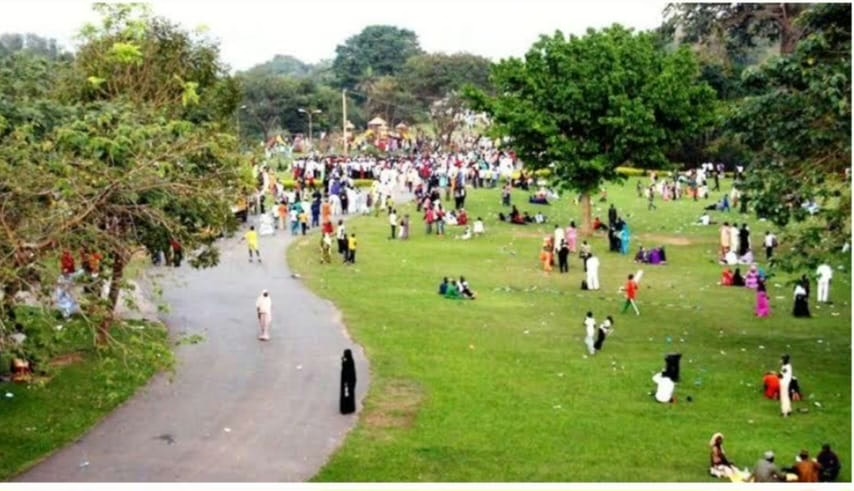
While some chose grand gestures, others embraced simpler expressions of love. In the Federal Capital Territory, Abuja, cinemas, parks, and recreational centres witnessed large crowds as residents defied economic hardship to celebrate the day. Many couples opted for affordable entertainment and shared experiences, suggesting a shift toward practical romance in difficult times.
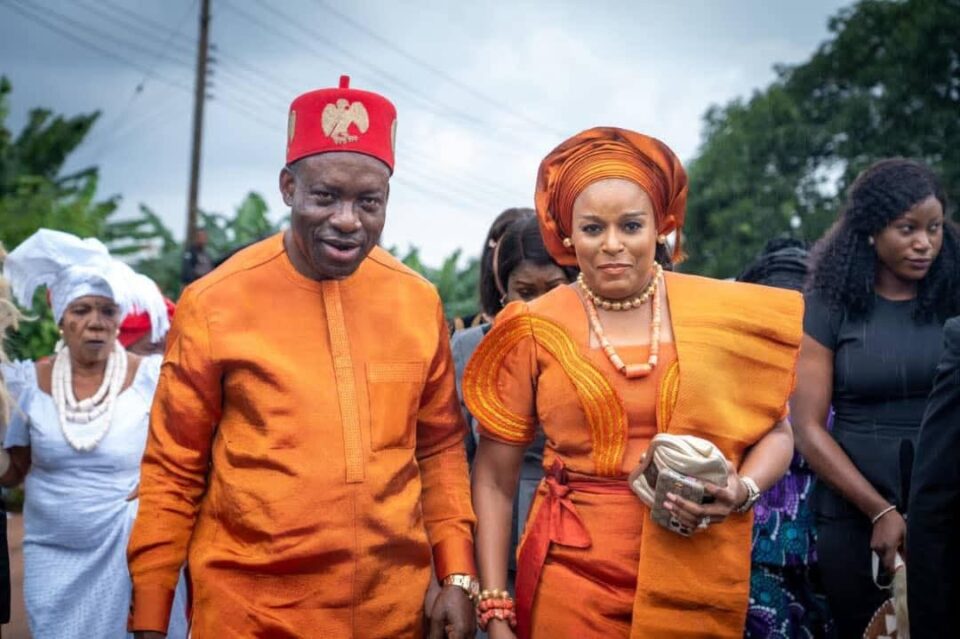
Public officials and social institutions also used the occasion to send moral and social messages. In Anambra State, First Lady Dr. Nonye Soludo urged citizens to extend kindness beyond romantic partners, emphasising compassion and community care. She described love as “kindness, compassion, and selfless actions toward others,” urging families to strengthen bonds and show empathy to those in need.
Similarly, Nigeria’s anti-corruption agency, the Economic and Financial Crimes Commission (EFCC), issued a Valentine’s Day warning against fraud, reminding young people that “real love never needs fraud to survive.” The message targeted the culture of internet scams sometimes linked to pressure to display wealth during the love season.
Health authorities also joined the conversation. The National Agency for the Control of AIDS advised Nigerians to celebrate responsibly and protect themselves from HIV and other sexually transmitted infections, warning that Valentine’s Day often coincides with increased social gatherings and intimacy.
Beyond official messaging, some of the most compelling scenes came from the streets. In Lagos, rock artist Bianca Okorocha, known as Clayrocksu, took her performances off the stage and into busy public spaces, singing romantic songs and handing out roses to commuters. Her impromptu serenades were designed to spread joy in a city where many residents struggle with high living costs and daily pressures.
Religious and youth groups also marked the day in distinctive ways. At an Assemblies of God church in Surulere, Lagos, more than 500 teenagers participated in a chastity parade, publicly pledging to abstain from sex until marriage. Organisers said the event was meant to counter what they described as the growing sexualisation of Valentine’s Day among young people.
Meanwhile, commercial and social events across major cities reflected a thriving romance economy. Hotels in Lagos and Abuja offered themed luxury packages for couples, while singles festivals in Victoria Island organised speed-dating sessions, shared meals, and social activities designed to help people find meaningful connections.
Scholars and social commentators frequently note that Valentine’s Day serves as a mirror of society’s emotional and economic climate. American sociologist Eva Illouz observed that “romantic love has become deeply intertwined with consumer culture,” a reality visible in Nigeria’s mix of luxury packages, digital planning tools, and personalised experiences.
Another perspective comes from psychologist John Gottman, who argues that enduring relationships are built less on grand gestures than on everyday acts of kindness and respect—an idea echoed in the messages from public officials and community leaders across Nigeria this year.
Taken together, Valentine’s Day 2026 in Nigeria was not defined by a single story but by a mosaic of experiences: a billboard proposal lighting up Lagos, crowds seeking affordable fun in Abuja, teenagers pledging chastity, and street musicians handing out roses.
In a country navigating economic reforms and social pressures, the day’s celebrations suggested that love, in all its forms—public, private, modest, or extravagant—remains a powerful force shaping both personal lives and public discourse.




Leave a Reply