
By Opeyemi Adelakun
The Federal Government has announced plans to phase out the policy separating Junior Secondary Schools (JSS) from Senior Secondary Schools (SSS), blaming the arrangement for worsening school dropout rates and limiting students’ transition to higher levels of education.
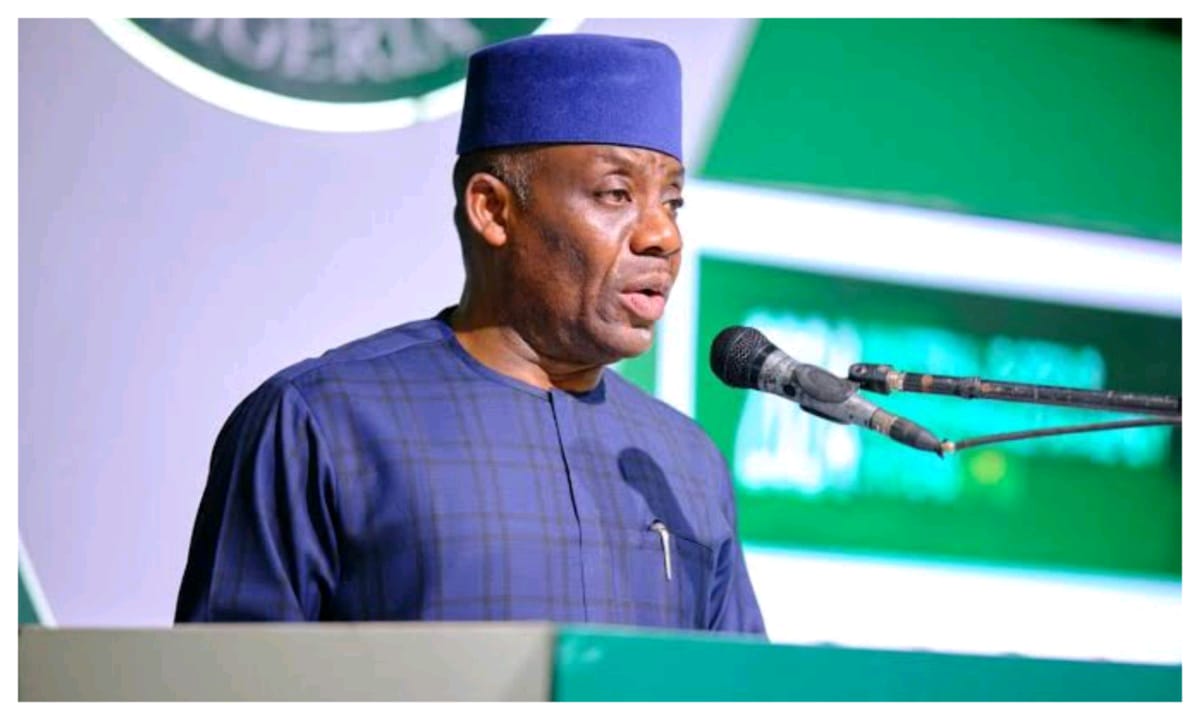
Minister of Education, Dr. Tunji Alausa, disclosed the plan on Tuesday in Abuja during the inauguration of the Universal Basic Education Commission (UBEC) Ministerial Implementation and Monitoring Committee.
According to the minister, more than 20 million pupils fail to progress from primary school to junior secondary education, describing the trend as evidence that the current structure has failed.
Alausa said Nigeria currently has about 80,000 public primary schools but only about 15,000 junior secondary schools, creating severe pressure on available facilities while many senior secondary schools remain underutilised in parts of the country.
He criticised the policy of running JSS and SSS as separate institutions with different principals and administrative structures, insisting that the arrangement has done more harm than good.
“The disarticulation policy has failed. We will phase it out. It’s about doing what is best for every Nigerian child,” the minister said.
He disclosed that the proposal to abolish the policy would be presented at the next meeting of the National Council on Education for consideration.
Alausa also inaugurated a committee chaired by Prof. Rashid Aderinoye to monitor UBEC-funded Smart Schools, Bilingual Schools and Alternative Schools nationwide.
The committee is expected to ensure that completed projects are handed over to state governments and opened for learning, while addressing delays that have left many publicly funded schools abandoned or unused.
The minister described the underutilisation of completed educational facilities as a waste of public resources and reiterated the Federal Government’s commitment to improving access to quality education across the country.




Leave a Reply