
By George Omagbemi Sylvester
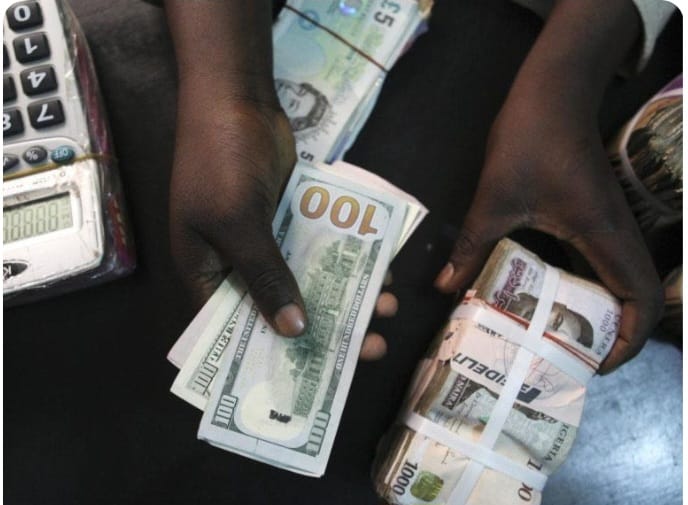
The Nigerian Naira (₦) continued to experience volatility against major global currencies on Thursday, March 12, 2026, as the official Central Bank of Nigeria (CBN) rates and parallel market rates diverged sharply amid ongoing economic pressures.
US Dollar (USD): ₦833 – ₦1,045
British Pound (GBP): ₦1,020 – ₦1,320
Euro (EUR): ₦905 – ₦1,170
Analysts attribute the Naira’s continued weakness to rising import demand, crude oil price fluctuations, and delayed foreign investment inflows. The disparity between official and parallel rates underscores persistent foreign exchange market tensions, which have implications for businesses, importers, and ordinary Nigerians relying on remittances or foreign transactions.
Economists have warned that unless structural interventions are implemented (including boosting forex supply, tightening market controls, and encouraging local production) the Naira may continue to face pressure against global currencies, affecting inflation, consumer prices, and overall economic stability.






Leave a Reply