
By George Omagbemi Sylvester
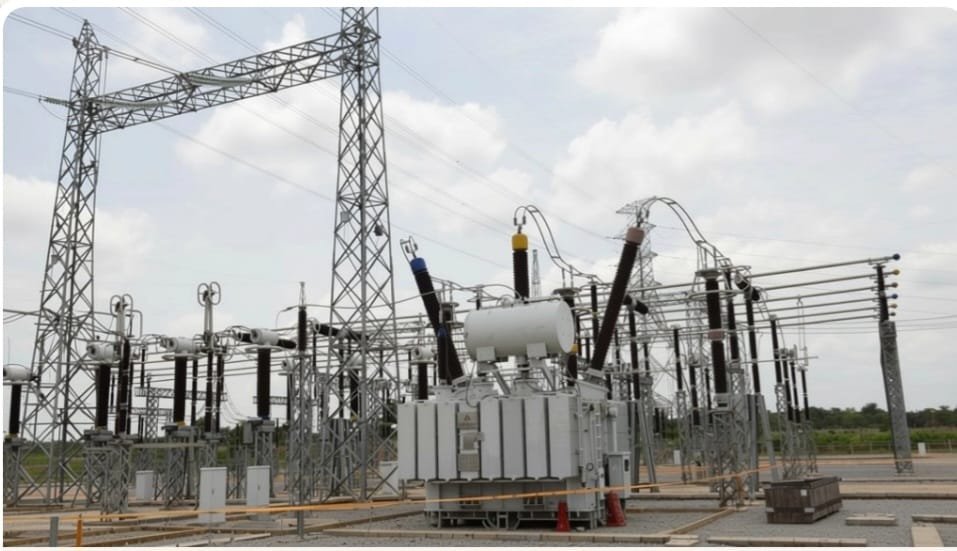
According to the Nigerian Electricity System Operator (NESO), which manages grid dispatch, the reduced output marked one of the lowest supply levels in recent months, coming amid ongoing gas constraints that have throttled generation capacity at plants dependent on pipeline deliveries. Gas shortages (linked to pipeline vandalism, inadequate supply contracts and infrastructure deficits) forced plant operators to scale back operations, leaving DisCos with limited energy to distribute to customers.
End‑users reported extended blackouts, voltage fluctuations and reduced productivity as households and businesses struggled with unreliable power. Manufacturers and small enterprises cited increased operating costs due to reliance on diesel generators, further exacerbating economic pressures in an environment already strained by inflation and currency volatility.
Energy analysts warn that without decisive action to secure gas supply, protect critical pipelines, and expedite investments in alternative generation sources, the country will continue to experience systemic power deficits that undermine growth. The situation also highlights the need for accelerated reforms in the gas sector, including enhanced domestic gas aggregation, pipeline security measures and incentives for private‑sector investment.
Federal and state energy officials are reportedly engaging stakeholders to mitigate the crisis, but experts say that short‑term operational fixes must be paired with long‑term structural solutions to stabilise Nigeria’s grid and reduce the economic toll of unreliable electricity.




Leave a Reply