
By Opeyemi Adelakun
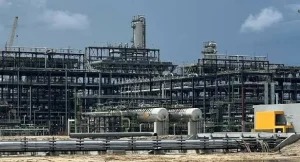
Dangote Petroleum Refinery has increased the price of Premium Motor Spirit, popularly known as petrol, from N1,185 to N1,200 per litre, in another adjustment that could put further pressure on consumers and transport operators.
The latest increase takes effect Wednesday, August 26, 2026, according to a price communication issued to customers by the refinery’s Group Commercial Operations.
The refinery also raised its coastal delivery price from N1,562,265 to N1,582,380 per metric tonne.
In the notice, titled “PMS Price Change Communication (N1,185 Per Litre To N1,200 Per Litre),” customers were directed to return existing Authorisation to Collect documents for repricing before fresh loading arrangements could resume.
The refinery stated that new volume contracts would be issued to customers following the repricing.
The latest adjustment represents a N15 per litre increase and comes only five days after the refinery moved its gantry price from N1,165 to N1,185 per litre.
The repeated adjustments could translate into higher retail prices as marketers factor the new depot cost into transportation, logistics and other downstream expenses. Industry expectations are that petrol could sell for an average of about N1,250 per litre in some locations.
Crude Prices Fall
The latest petrol increase comes despite a decline in international crude oil prices.
Data cited from Oilprice.com showed West Texas Intermediate trading at $82.13 per barrel, down $2.88 or 3.39 per cent, while Brent crude stood at $88.37 per barrel, representing a decline of $3.80 or 4.12 per cent.
Murban crude also fell to $92.71 per barrel, losing $8.73 or 8.61 per cent.
The divergence between falling international crude prices and rising domestic petrol prices is likely to fuel fresh debate over the factors determining pump prices in Nigeria’s deregulated downstream petroleum market.
The latest movement also comes amid heightened volatility in global oil markets linked to the ongoing US-Iran conflict and concerns over possible disruptions to crude supplies.
Reuters reported that oil prices declined after investors judged the latest US sanctions against Iran to pose a lower immediate threat to global supplies than a potential military escalation.
However, analysts warned that the decline could be short-lived if Iran responds militarily, potentially threatening supplies and pushing crude prices higher.
The Strait of Hormuz remains a major concern for the global oil market, with Reuters reporting that only two commodity vessels passed through the waterway on Monday, the lowest daily figure since early May.






Leave a Reply