
By George Omagbemi Sylvester
Former Vice President Atiku Abubakar has taken Nigeria’s mounting security, governance, and economic challenges to the global stage, even as divisions within the opposition coalition continue to weaken prospects for a unified front against President Bola Ahmed Tinubu ahead of the 2027 elections.
May 4, 2026 — Atiku disclosed plans to engage policy stakeholders in the United States, highlighting what he described as worsening insecurity, economic instability, and declining public trust in governance.
He cited persistent violence across the North-West, North-East, and Middle Belt, alongside rising inflation and currency pressures, as indicators of systemic strain on the Nigerian state.
He argued that discussing Nigeria’s internal challenges on international platforms does not amount to inviting foreign interference but rather reflects the global implications of instability in Africa’s largest economy.
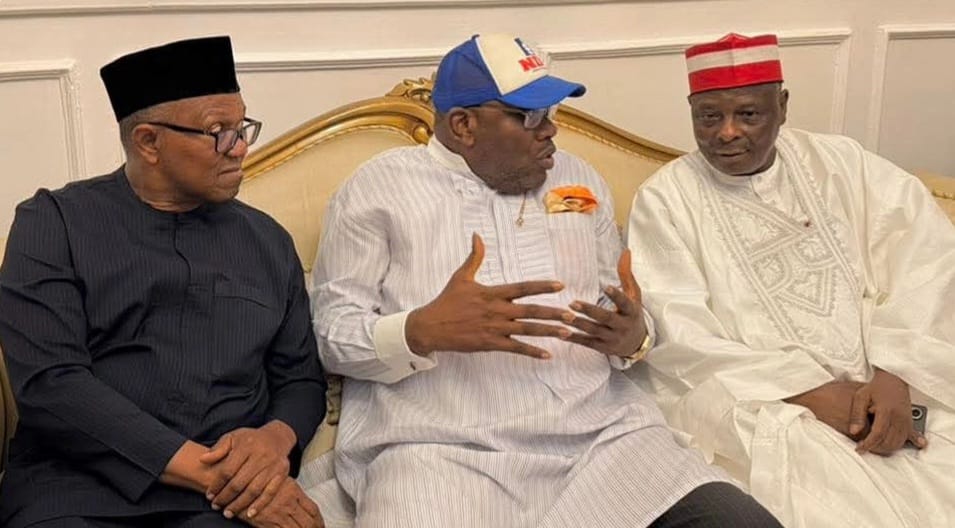
However, his international advocacy comes at a time when the opposition coalition built around the African Democratic Congress is showing visible cracks. The reported exit of Peter Obi and uncertainty surrounding Rabiu Musa Kwankwaso have intensified fragmentation within the bloc.
Analysts warn that while Atiku’s global outreach may amplify awareness of Nigeria’s internal crises, the lack of cohesion within opposition ranks could significantly undermine any credible electoral challenge in 2027.
Ultimately, the development reflects a dual reality—heightened international attention on Nigeria’s domestic struggles, and a deeply divided opposition struggling to convert criticism into a viable political alternative.



Leave a Reply