
By George Omagbemi Sylvester
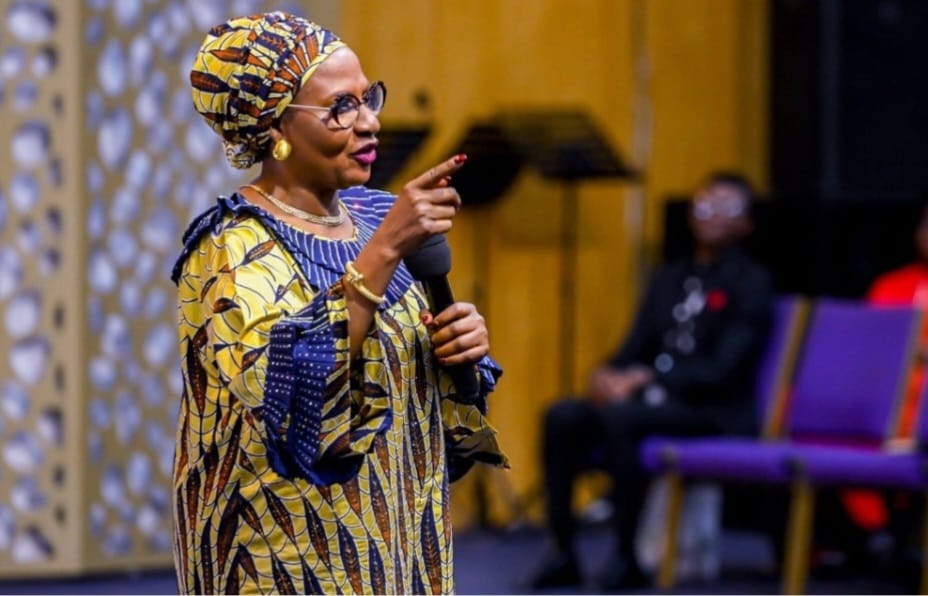
A pastor in Abuja has sparked public attention after kneeling to appeal directly to the Minister of the Federal Capital Territory, Nyesom Wike, over the demolition of properties affecting his church and surrounding community.
May 4, 2026 — The incident reportedly occurred during an inspection or enforcement exercise by FCT authorities, where the cleric publicly pleaded for leniency, urging the minister to reconsider actions that have displaced worshippers and residents.
The emotional appeal reflects growing tensions between urban development enforcement and humanitarian concerns in Nigeria’s capital.
Recent policy direction under Wike has prioritised strict compliance with building regulations, including the demolition of illegal structures and recovery of government lands.
Authorities argue that such actions are necessary to restore order and prevent unsafe developments across Abuja.
However, affected residents and community leaders have continued to raise concerns about the social consequences of these demolitions, particularly where enforcement appears sudden or insufficiently cushioned by resettlement plans.
Analysts note that the pastor’s symbolic gesture highlights a deeper governance dilemma—balancing regulatory enforcement with social sensitivity.
While urban control remains essential, the human cost of displacement continues to shape public perception of policy implementation.
Ultimately, the episode underscores the increasing friction between authority and vulnerability in Abuja’s ongoing urban restructuring drive.




Leave a Reply