
By Paul Joseph
Leading opposition figures converged at the Transcorp Hilton in Abuja Thursday to present a united position on recent amendments to Nigeria’s Electoral Act, raising concerns over key changes introduced in the 2026 law.
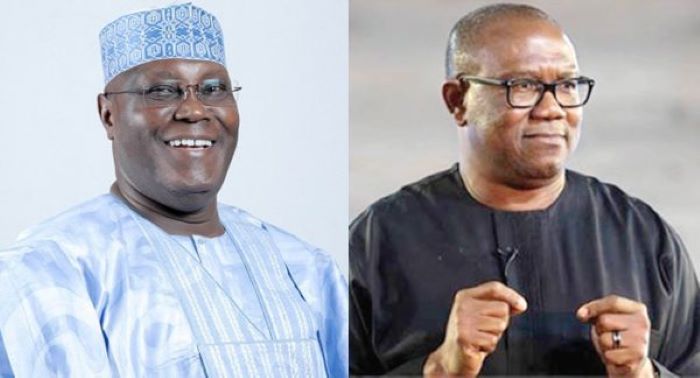
Among those present at the Lagos/Osun Hall of the hotel were former Vice-President Atiku Abubakar and the 2023 presidential candidate of the Labour Party, Peter Obi. Also in attendance were former Senate President David Mark; a chieftain of the New Nigeria Peoples Party, Buba Galadima; former Rivers State Governor Rotimi Amaechi; and the National Secretary of the African Democratic Congress, Rauf Aregbesola.
The high-level meeting is expected to culminate in a joint press briefing where the opposition leaders will outline their stance on what they describe as contentious provisions of the revised Electoral Act, alongside other pressing national issues.
Other political stakeholders sighted at the venue included the ADC National Publicity Secretary, Bolaji Abdullahi; Senator Dino Melaye; former ADC National Chairman, Ralph Nwosu; and former Cross River State Governor, Liyel Imoke, among others.
Under the Electoral Act 2022, political parties were permitted to nominate candidates through three options: direct primaries involving all registered party members, indirect primaries conducted by accredited delegates, or consensus arrangements agreed upon by party leadership.
However, the 2026 Electoral Act recently passed by the National Assembly and assented to by President Bola Tinubu on February 18 limits parties to only direct primaries and consensus arrangements, effectively removing the indirect primary option.
In addition to the changes in nomination procedures, the new law shortens campaign periods and timelines for party primaries.
It also adjusts funding timelines for the Independent National Electoral Commission (INEC), mandating that its funding be released six months before an election, as opposed to the previous 12-month window.
Although details of the opposition’s formal position are expected to be unveiled during their address to journalists, sources close to the meeting indicate that discussions are centred on the potential implications of the new provisions for internal party democracy, electoral transparency, and logistical preparedness ahead of future elections.
The gathering is being closely watched as a possible sign of increased coordination among opposition leaders ahead of the next electoral cycle.
Further details are expected following the conclusion of their deliberations and media briefing.

Leave a Reply