
By Paul Joseph
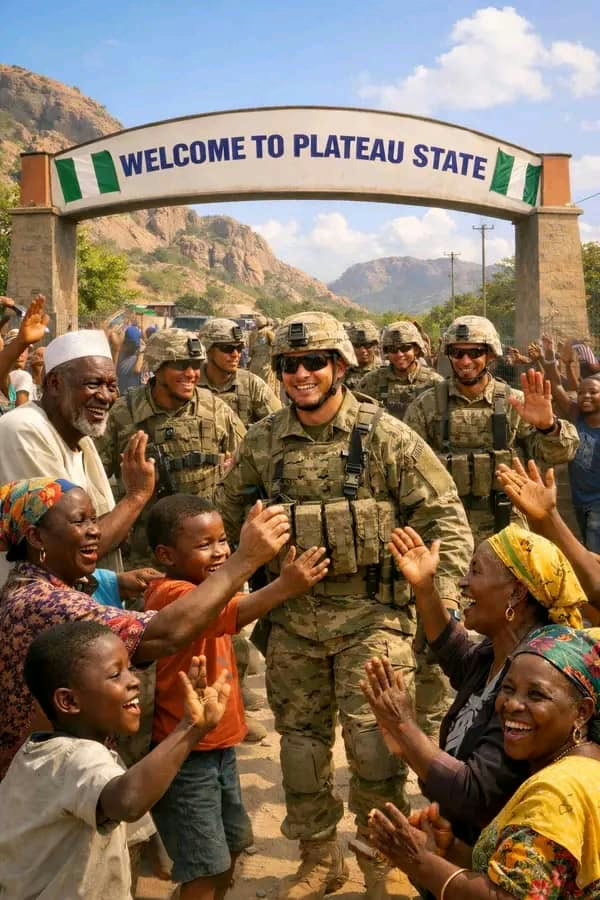
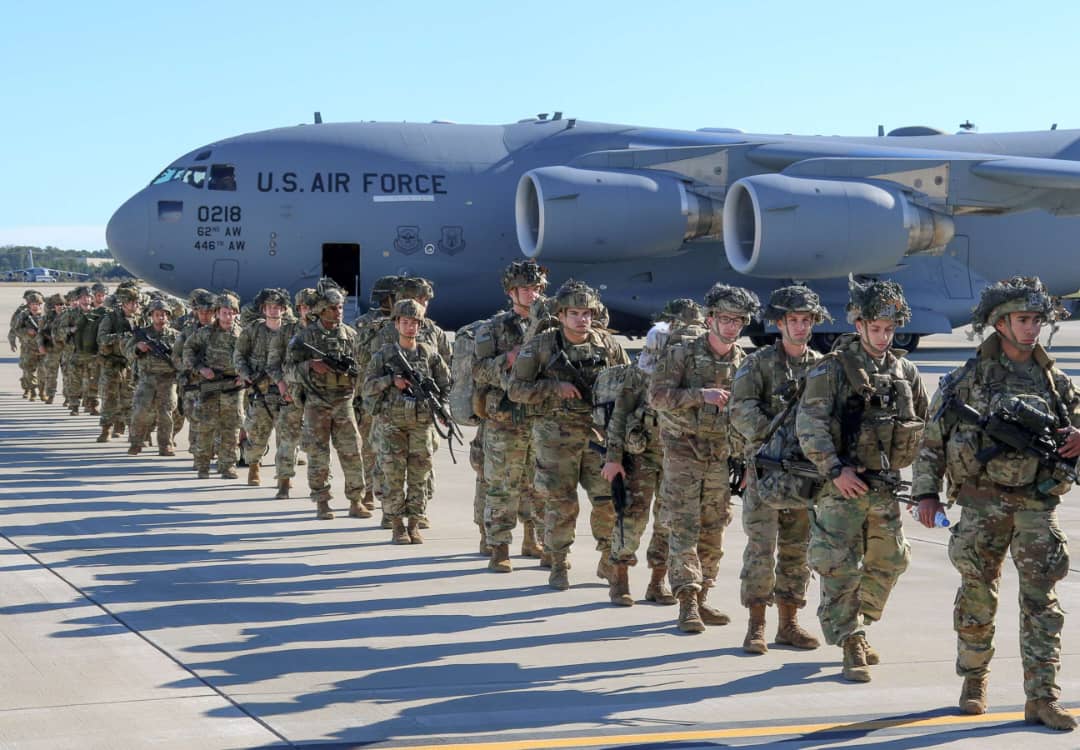
The arrival of the U.S. military in Nigeria has been a long-standing request and a dream come through from both Nigerians and the American government, dating back to the administrations of former Nigerian presidents Goodluck Jonathan and the late Muhammadu Buhari.
This aspiration has been overdue since 2014-2018, when Boko Haram insurgents continue launching widespread attacks, particularly in states like Borno, Yobe, and Adamawa.
The violence forced many residents to flee their homes and start anew in different locations, making their lives extremely difficult, injecting awful memories which can never be forgotten in a hurry.
Boko Haram’s actions have resulted in thousands of deaths, numerous injuries, and significant property damage, as well as the loss of jobs and lives.
Many Christians were coerced into abandoning their faith and converting to Islam, facing the grim choice of compliance or death.
A notable case is that of Leah, a teenage Christian girl kidnapped by Boko Haram in Dapchi. She was one of 110 schoolgirls abducted, but not released till date over her refusal to renounce her faith.
According to her schoolmate who was released from their captivity, Leah’s steadfastness in her Christian beliefs led Boko Haram to continue holding her captive.
During the widespread suffering and fear in Nigeria from 2014, the United States offered various military support which some of them were declined by the two past governments of Goodluck and Buhari.
However, many of these proposals, which Nigerians hoped would provide relief, were rejected by the Nigerian government. Among these offers was a military presence in Nigeria in May 2014, following the abduction of the Chibok schoolgirls.
The U.S. sent a multidisciplinary team to assist with counter-terrorism strategies against Boko Haram, focusing on intelligence sharing, training, and strategic planning rather than direct combat but these supports did not see the light of the day as relations soured later in 2014 when Goodluck Jonathan canceled U.S. programs after the U.S. declined to provide “lethal” weapons due to human rights concerns in Nigeria.
Subsequently, the U.S. shifted its focus in late 2014 to strengthening the regional Multi-National Joint Task Force (MNJTF), which included Chad, Niger, and Cameroon, as Nigerian cooperation was sometimes limited.
The situation worsened from in 2020 during Buhari’s presidency, which showed little inclination towards foreign intervention despite the ongoing killings by Boko Haram, predominantly affecting Christians.
This raised alarms in the U.S., leading to increased concern over the targeting of Christians which resulted in placing Nigeria in its first CPC list in December 2020, due to alleged “systematic” violations.
Current Nigeria’s president Tinubu’s flexibility in foreign relations has set him apart from others due to his willingness to cooperate and facilitate international partnerships in the fight against terrorism.
Although some view this flexibility as a response to pressure from the United States rather than a decision made of his own accord. With US military personnel now in Nigeria, there are high hopes among citizens that this visit will help restore their peaceful nights.
Leave a Reply