
By George Omagbemi Sylvester
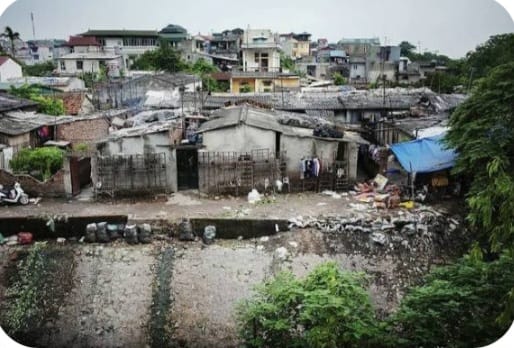
Poverty is often discussed as a lack of money, but in reality, it begins far deeper; in the human mind. The greatest obstacle holding individuals and communities back is not always external systems, but the internal acceptance of limitation, fear, and dependency known as a poverty mentality.
A poverty mentality is a psychological condition where individuals normalize scarcity, avoid risk, and reject opportunities due to fear of failure or loss. It is the belief that success is reserved for others, while struggle is a permanent identity. This mindset produces cycles of underachievement even in environments where opportunities exist.
One of the major causes of this mindset is generational conditioning. Many people grow up hearing statements such as “rich people are greedy,” “money is not for people like us,” or “just be satisfied with what you have.” Over time, these narratives become internal truths. As psychologist Dr. Carol Dweck explains, individuals with a fixed mindset believe their situation cannot change, which limits growth and innovation.
Another contributing factor is systemic economic hardship. When survival becomes the daily focus, long-term planning becomes difficult. People begin to prioritize immediate needs over investment in education, skills, or entrepreneurship. This short-term survival thinking gradually becomes a lifestyle.
Religious and cultural misinterpretations also reinforce poverty mentality. In some cases, suffering is glorified while wealth creation is viewed with suspicion. This distorts the balance between faith, effort, and responsibility.
The consequences are severe: low productivity, dependence on external aid, fear of innovation, and resistance to change. Communities trapped in this mindset often remain stagnant despite possessing abundant human and natural resources.
Breaking free requires a mental transformation. Education, exposure, financial literacy, and deliberate association with growth-oriented individuals are essential. As Jim Rohn famously said, “You are the average of the five people you spend the most time with.”
Ultimately, poverty is not just an economic condition; it is a mindset that can be unlearned. Real change begins when individuals reject limitation and embrace possibility. A transformed mind creates a transformed life.




Leave a Reply