
By George Omagbemi Sylvester
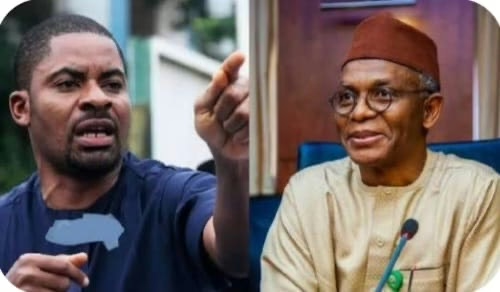
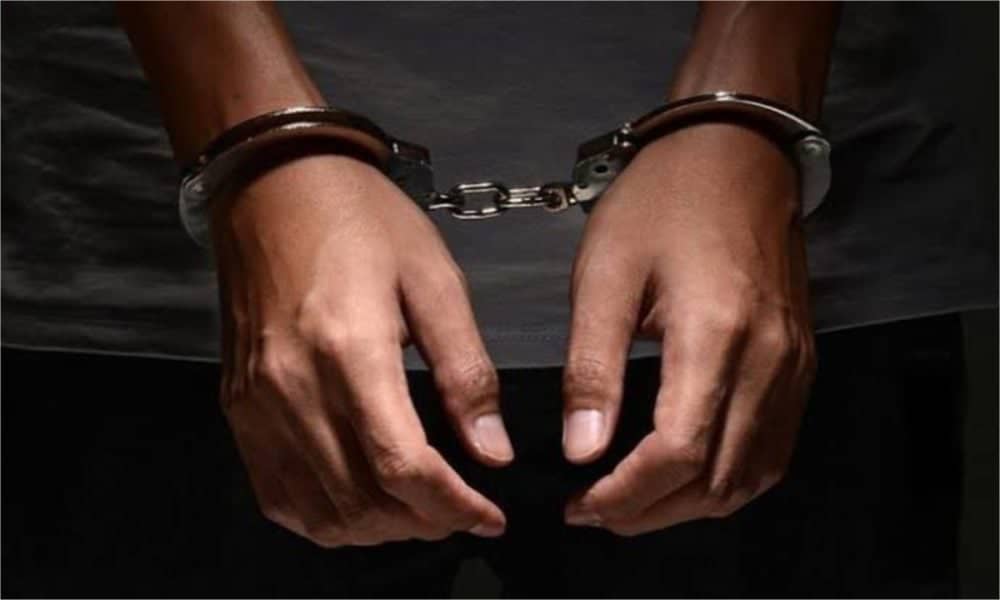
A fresh political storm erupted this week after former Kaduna State governor, Nasir El-Rufai, alleged that there were plans to arrest him; claims swiftly and publicly dismissed by Abuja-based activist and lawyer Deji Adeyanju, who described the episode as mere “drama.”
The controversy followed reports circulating on social media that El-Rufai was nearly apprehended at an airport in Abuja. Though the former governor did not present documentary evidence of an arrest warrant, his supporters amplified suggestions that security operatives were poised to detain him. Within hours, Adeyanju issued a rebuttal, insisting that “nobody planned to arrest him,” and accusing the former governor of manufacturing a persecution narrative.
At the time of filing this report, no official statement confirming an attempted arrest had been released by the Nigeria Police Force or the Department of State Services. A senior security source contacted by Starnews NG denied knowledge of any arrest directive, reinforcing Adeyanju’s position that the claim lacked institutional backing.
According to accounts shared online, security personnel were allegedly present at the airport when El-Rufai was scheduled to travel. However, there is no verified evidence that officers attempted to detain him, nor has any charge been formally announced against him. The absence of official documentation raises critical questions about the origin and intent of the arrest claim.
El-Rufai, a prominent figure in Nigeria’s political arena and a two-term governor of Kaduna State from 2015 to 2023, has remained an influential voice within the ruling All Progressives Congress. However, in recent months, he has been perceived as increasingly estranged from certain power blocs within the party. Analysts note that internal party realignments often fuel speculation of political victimization.
Political scientist Professor Jibrin Ibrahim of the Centre for Democracy and Development once observed that “in polarized democracies, allegations of persecution can become a strategic tool to mobilize sympathy and recalibrate political leverage.” Though he was not commenting directly on this incident, the statement resonates within the broader context of Nigeria’s high-stakes political competition.
Adeyanju, known for his confrontational style and activism, has himself faced multiple arrests in the past during protests against government policies. His dismissal carries weight in activist circles because of his firsthand encounters with state security agencies. “There was no plan to arrest him,” Adeyanju reportedly stated, emphasizing that genuine arrests involve formal processes, documentation, and public acknowledgment.
The timing of the controversy is politically significant. Nigeria’s political climate remains charged following the 2023 general elections, with intra-party tensions simmering beneath the surface. Claims of state intimidation, whether substantiated or not, can rapidly inflame public opinion. Dr. Chidi Odinkalu, a human rights lawyer and former chairman of Nigeria’s National Human Rights Commission, has previously cautioned that “the credibility of democratic institutions depends not only on their actions but on public perception of fairness and transparency.” In scenarios where official silence follows sensational claims, speculation often fills the vacuum.
Critically, there has been no court filing, no public warrant and no statement from prosecuting authorities indicating legal proceedings against El-Rufai. Without such evidence, the assertion of an impending arrest remains uncorroborated. Conversely, the government’s failure to promptly clarify the situation has allowed political actors to dominate the narrative.
Observers say this episode underscores a recurring pattern in Nigerian politics, where allegations of plots and counterplots emerge without institutional confirmation. Security experts stress that lawful arrests follow established procedures under Nigerian law, typically involving formal charges, judicial authorization, and public record. None of these elements have surfaced in this instance.
The individuals central to this dispute are clear: Nasir El-Rufai, former governor and influential political actor; Deji Adeyanju, activist lawyer and vocal critic; unnamed security operatives reportedly present at the airport and institutional bodies such as the Nigeria Police Force and the Department of State Services, both of which have denied knowledge of any arrest plan.
Analysts suggest two plausible explanations. First, it may reflect genuine anxiety amid shifting political alliances. Second, it could represent strategic positioning in anticipation of future political contests. In either case, the incident reveals the fragility of trust between political elites and state institutions.
How it unfolded (through social media amplification rather than official communication) highlights a deeper institutional weakness. In mature democracies, alleged attempts to detain high-profile political figures would typically be clarified swiftly through official channels. The silence here has allowed rhetoric to overshadow facts.
Ultimately, the burden of proof lies with those asserting persecution. Until verifiable documentation emerges, Adeyanju’s dismissal stands unchallenged by official record. The episode serves as a reminder that in Nigeria’s dynamic political environment, perception can sometimes travel faster than evidence.
For now, what remains certain is this: no formal arrest occurred, no charge has been publicly filed and no security agency has acknowledged an operation targeting El-Rufai.
Whether this was miscommunication, political theatre or calculated messaging, it has once again demonstrated the combustible nature of Nigeria’s political discourse; where claims, counterclaims and silence can be as powerful as any official action.
Leave a Reply