
By Opeyemi Adelakun
Nigeria’s correctional system continues to face mounting challenges, with delayed trials, ageing facilities, funding gaps and concerns over inmate welfare placing pressure on the country’s ability to deliver effective rehabilitation.
The Nigeria Correctional Service (NCoS) disclosed that 80,812 people were in custody as of February 9, 2026. Of these, 51,955, or 64 per cent, were awaiting trial, while 24,913 had been convicted and 3,850 belonged to other detention categories.
The statistics underline the scale of pre-trial detention in Nigeria and raise questions about the speed of criminal investigations, prosecution and judicial proceedings.
By April, the total inmate population had fallen to 79,109, according to figures reported by the NCoS. The earlier 80,812 figure should therefore be understood as a February count rather than an October update.
The large number of awaiting-trial detainees reflects longstanding bottlenecks across the justice system. Delays in investigations, legal advice and prosecution, frequent adjournments and difficulties securing legal representation can prolong detention.
For people unable to afford legal services, navigating the criminal justice process can be particularly difficult. Some detainees may remain in custody for extended periods before their cases are concluded, even when the final outcome does not result in conviction.
The consequences extend beyond congestion. Prolonged detention places pressure on families, consumes public resources and can undermine the presumption of innocence and the right to a fair hearing within a reasonable time.
Reducing the backlog requires coordinated action by investigators, prosecutors, defence counsel and the judiciary. Better case management, timely legal advice and greater access to legal aid could help prevent avoidable delays.
Infrastructure Struggles To Keep Pace
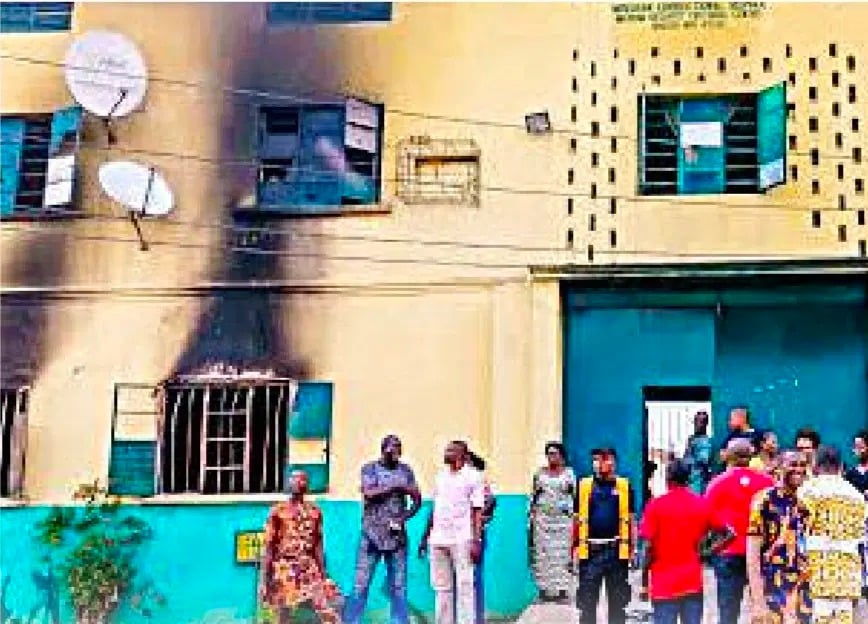
Many correctional facilities operate in buildings constructed decades ago, with infrastructure that may no longer adequately support present-day needs.
Overcrowding can worsen ventilation and sanitation problems, while deteriorating walls, outdated security systems and insufficient operational equipment create additional risks for inmates and personnel.
The correctional service has identified infrastructure rehabilitation, vehicles, security equipment, information technology and inmate-management systems among its investment priorities.
Its proposed ₦198.85 billion budget for 2026 reflects the scale of its financial requirements, although the availability and release of funds will determine how much of the planned work can be completed.
Feeding And Medical Care Under Pressure
The management of inmate feeding has also attracted scrutiny. The source report references complaints about food quality and quantity, alongside a federal investigative panel’s findings on alleged malnutrition and irregularities in feeding contracts.
The panel reportedly recommended raising the daily feeding allowance from ₦750 to ₦3,000. The recommendation highlights the debate over whether existing provisions adequately meet the needs of people in custody.
Medical care presents another challenge. Inmates require access to essential medicines, qualified healthcare personnel and appropriate treatment for physical and mental health conditions.
Improving these services requires sustained funding, reliable supply chains and effective supervision to ensure that resources reach the people for whom they are intended.
Reports of prohibited mobile phones, smuggled items and alleged illicit activities within custodial centres have raised concerns about internal controls and accountability.
The NCoS has announced searches and sanctions aimed at curbing contraband. Yet effective enforcement requires more than occasional operations: it also depends on reliable security technology, transparent investigations and consistent disciplinary action where misconduct is established.
Weak infrastructure and insufficient equipment can make these responsibilities more difficult, reinforcing the need to combine investment with stronger institutional oversight.
From Custody To Rehabilitation
The Nigerian Correctional Service Act 2019 gives the service a mandate that extends beyond keeping offenders in custody. It includes rehabilitation, education, vocational training, counselling and reintegration into society.
These responsibilities are difficult to fulfil when facilities are overcrowded and resources are stretched. Skills programmes need adequate space, equipment and instructors, while successful reintegration also depends on support that helps former inmates find lawful opportunities after release.
Non-custodial measures—including probation, parole and community service—offer alternatives for eligible cases where imprisonment is not legally necessary. Their appropriate use could reduce pressure on facilities and allow custodial resources to focus on people who must be detained.
However, alternatives must be implemented within the law, with safeguards that protect public safety and the rights of affected individuals.
The correctional crisis cannot be solved by building additional facilities alone. New infrastructure may provide relief, but congestion will persist if people continue to enter custody faster than cases are investigated, prosecuted and determined.
A comprehensive response must therefore combine faster justice delivery with improved legal representation, better welfare, modern facilities, effective rehabilitation and stronger accountability for public spending.
The government and justice-sector institutions also need reliable, regularly updated data to measure changes in inmate populations and assess whether reforms are working.
Ultimately, a functional correctional system must protect public safety while respecting human dignity and the rule of law. It must ensure that awaiting-trial detainees are not left indefinitely in custody, that convicted inmates have access to meaningful rehabilitation, and that public funds translate into safer facilities and better services.




Leave a Reply