
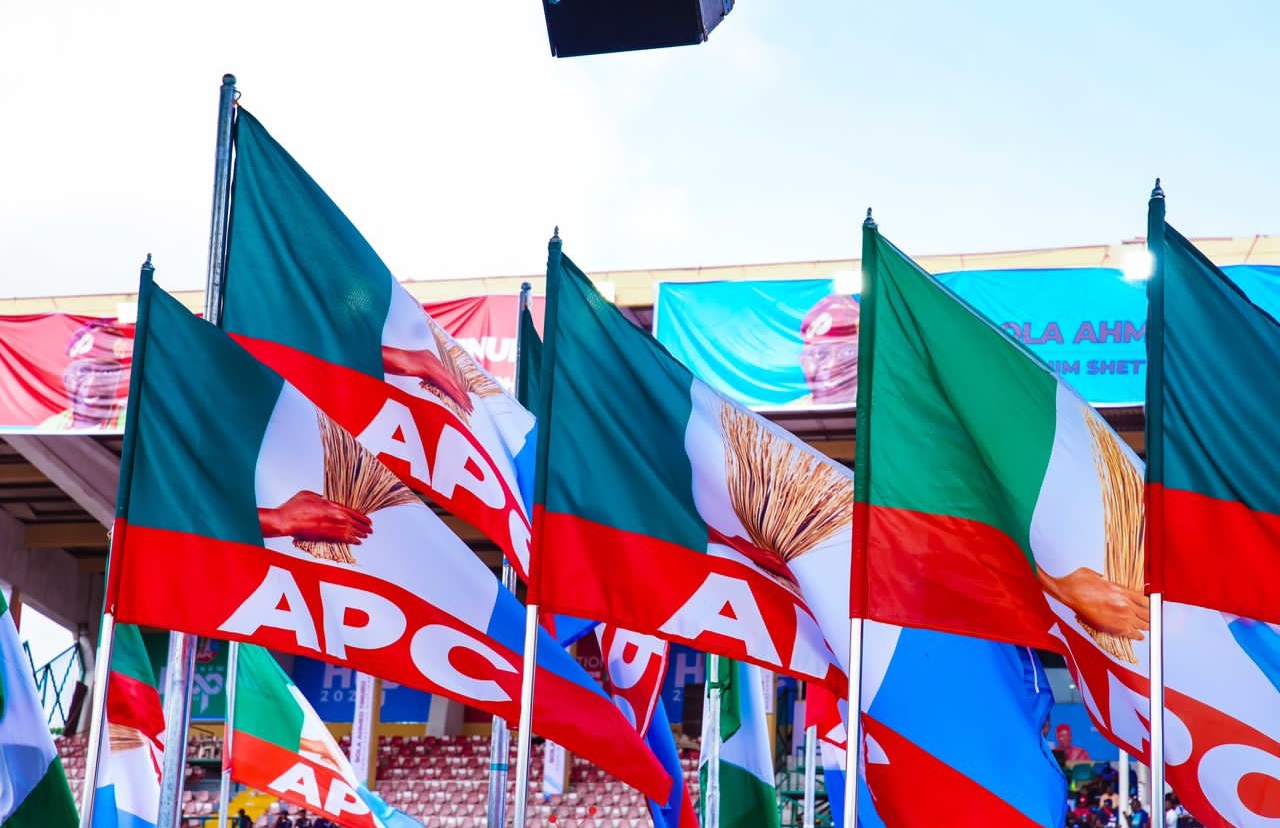
In the high-stakes theater of Nigerian politics, optics are often as important as policy. However, when a ruling party is forced to publicly retreat from its own strategic appointments, it ceases to be a matter of mere public relations and transforms into a confession of structural instability. The recent controversy surrounding the All Progressives Congress (APC) campaign council and its subsequent, hurried withdrawal has provided a rare window into the internal mechanics of the current administration, revealing a government increasingly defined by a “trial by error” approach to governance.
Former Minister of Youth and Sports, Solomon Dalung, recently amplified these concerns, arguing that the composition of the initial list was not just a lapse in judgment, but a symptom of a deeper malaise. By populating a campaign council with figures dogged by corruption allegations, the party inadvertently sparked a national debate about the administration’s core values. But the real story here isn’t just about the individuals on that list; it is about the process that put them there in the first place.
The Credibility Gap
The act of releasing a list only to retract it for a “review” is a significant political blunder. It suggests a lack of internal consensus and a reactive, rather than proactive, approach to leadership. For an administration currently navigating the complex economic fallout of subsidy removal and mounting debt, this lack of cohesion is alarming. If a government cannot effectively vet its own campaign machinery, how can it be expected to manage the intricate, high-stakes challenges of the Nigerian state?
Dalung’s critique cuts to the heart of this “institutional credibility gap.” He posits that the 2027 electoral process is already being compromised by a failure to prioritize the quality of those tasked with soliciting support. When the gatekeepers of a political movement are perceived as compromised, the entire platform loses its moral authority.
Governance by Trial and Error
The “trial by error” label, while stinging, is increasingly being echoed by observers who see a pattern of reactive policy-making. From the management of the fuel subsidy to the handling of national debt, the administration is often perceived as playing catch-up with the realities of the Nigerian economy. The campaign council incident serves as a microcosm of this tendency: a decision is made, public backlash ensues, and the administration scrambles to re-calibrate.
This cycle of action and retraction creates an “architecture of uncertainty.” For the average citizen, it raises fundamental questions about the administration’s preparedness. If the government is still “learning on the job” three years into its tenure, what does that mean for the next four years?
Competence Over Character
As we look toward 2027, the discourse is shifting. It is no longer enough for political parties to rely on traditional power structures or the inertia of incumbency. The electorate is becoming increasingly sophisticated, demanding a higher standard of governance. The controversy over the APC campaign council has inadvertently set the stage for a referendum on competence.
Dalung’s argument that the central issue is the capacity to deliver on promises rather than political affiliation resonates in an environment where economic hardship is the dominant reality for most Nigerians. Whether the government is “foundationally” corrupt or simply disorganized, the result for the citizenry is the same: a lack of clear, decisive leadership.
Ultimately, the APC’s retreat from its campaign list is more than a footnote in the lead-up to 2027. It is a warning sign. It suggests that the machinery of governance is struggling to find its footing, and that the path to the next election will be paved with more than just policy debates it will be defined by a fundamental struggle over whether this administration can prove it has the vision and the discipline to lead Nigeria forward.




Leave a Reply