
By: Abdulqadir Muhammad Alhaji
The recent announcement by the Minister of Defence, Gen. Christopher Musa (Rtd.), that social media influencers and media practitioners may soon accompany troops to conflict areas has sparked fresh conversations about how Nigerians perceive the country’s security challenges.
The minister said the initiative is intended to expose influencers and media practitioners to the realities of military operations and the sacrifices being made by security personnel in various parts of the country. The move comes amid growing concerns over misinformation and the increasing influence of social media on public discourse.
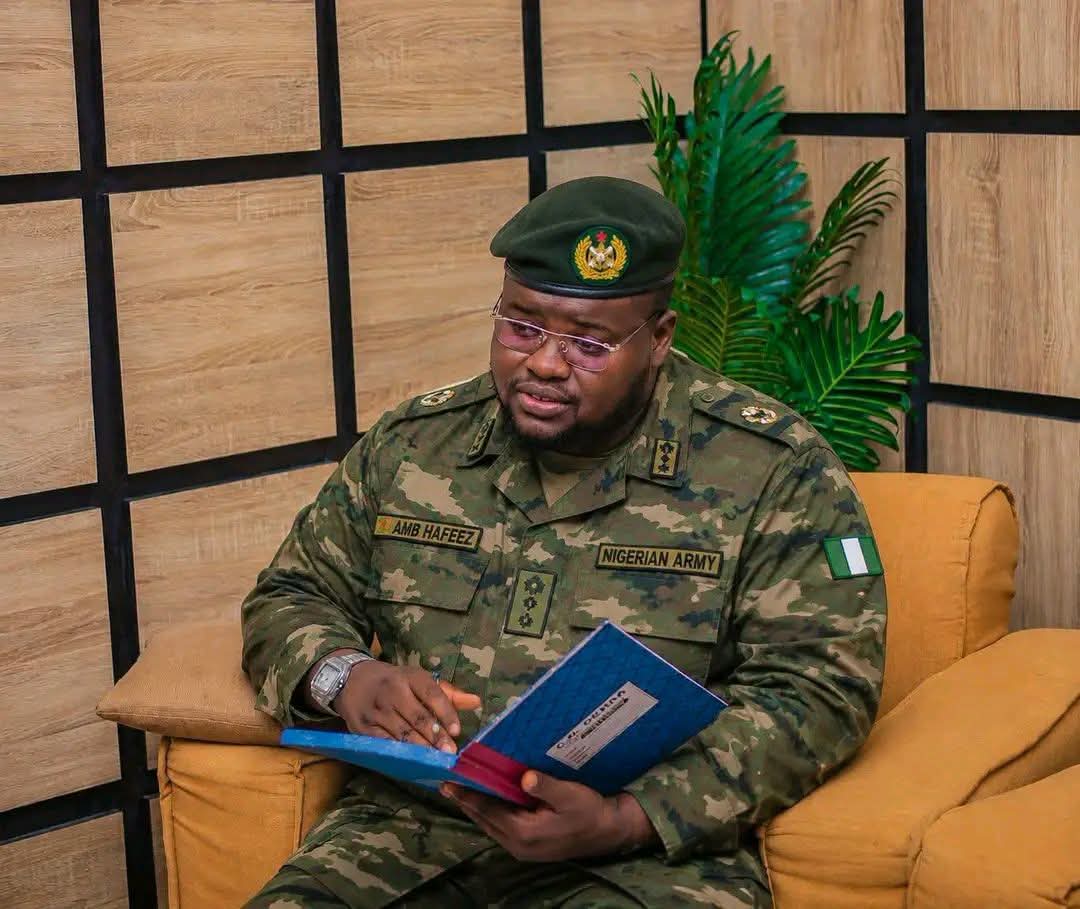
However, shortly after the announcement gained public attention, social media platforms were flooded with Artificial Intelligence-generated images depicting individuals dressed in Nigerian military uniforms and appearing to participate in military operations. Many of the posts attracted thousands of reactions, comments and shares, with users treating the images largely as entertainment content.
The development has raised questions among security observers about whether many Nigerians fully appreciate the gravity of the security situation confronting the country. While communities in several parts of Northern Nigeria continue to grapple with banditry, kidnappings and violent attacks, online discussions often appear dominated by jokes, trends and viral content unrelated to the realities facing affected communities.
Analysts argue that the popularity of AI-generated military images reflects a broader challenge in the digital age, where entertainment frequently overshadows serious national conversations. They note that although technology has created new opportunities for creativity and engagement, it has also contributed to the trivialization of issues that directly affect the lives of millions of citizens.
For many observers, the Defence Minister’s proposal appears aimed at addressing this disconnect. By allowing influencers and media practitioners to witness military operations firsthand, authorities hope to provide the public with a clearer understanding of the dangers faced daily by troops and civilians living in conflict-affected areas.
The concern is not necessarily the creation of AI content itself, but the public reaction surrounding it. Critics argue that while soldiers are risking their lives on the frontlines and thousands of families continue to suffer the consequences of insecurity, significant attention is often devoted to digitally generated images that bear little connection to realities on the ground.
Security experts have repeatedly stressed that public awareness remains an important component of national security efforts. According to them, a society that fully understands the human and economic cost of insecurity is more likely to support measures aimed at addressing the problem.
As Nigeria continues to battle multiple security threats, the debate generated by the viral AI military images highlights a larger question: whether social media is helping citizens engage more deeply with national issues or gradually turning some of the country’s most serious challenges into subjects of online amusement.

Leave a Reply