
By Wisdom Chude
Whenever pride begins to cloud judgment, the fall is usually not far behind.
As I mentioned in my other post, one of the major missteps of VDM was using the police to send Blord to prison. The moment you position yourself as “the people’s man” and a defender of the oppressed, you lose moral consistency the minute you’re seen aligning with the same establishment to punish a common man. That contradiction is something people don’t forgive easily.
Take Segalink, for example. There was a time he moved across Nigeria helping citizens, bailing detainees, calling out police excesses, and even facilitating the recovery of extorted funds. He built credibility as a voice for the people. His posts racked up views and reposts in the thousands. However, during the End SARS protests, he made a tweet labelling the protest an “insurrection.” That alone flipped public sentiment against him; you can check him out on Twitter and see that he barely gets 100 likes, with curses filling his comment section. That single moment shattered years of goodwill. He was bigger than what many think of VDM today, but reputation can collapse overnight when actions contradict earlier principles.
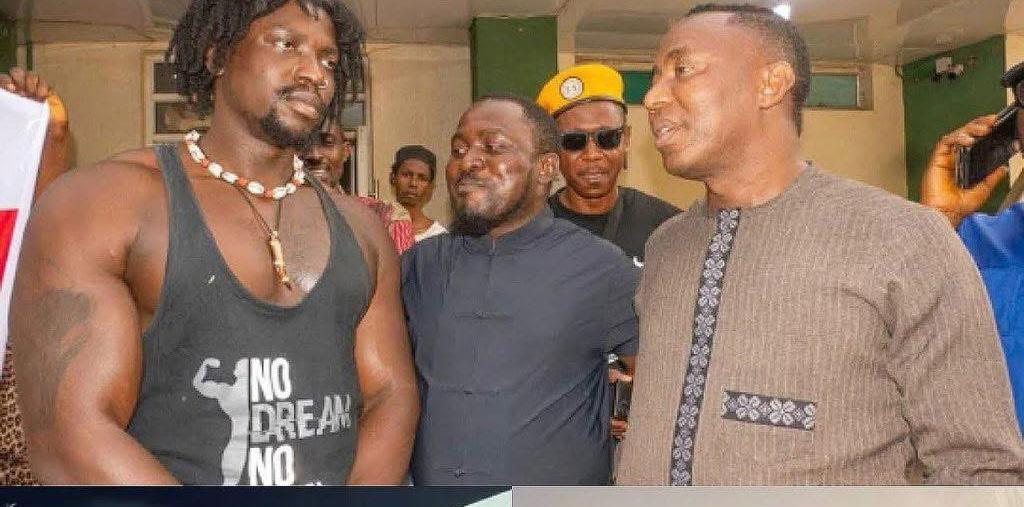
When Omoyele Sowore stepped in, saying he would bail Blord, that should have been a cue to step back. At that point, the narrative was already tilting in VDM’s favour. He was ahead, clearly. But instead of consolidating that position, pride kicked in. He began posturing, boasting, and trying to drag Sowore for daring to say he’d bail Blord, just like previous confrontations with figures like Bobrisky, Nedu, King Mitchy, and even Wizkid. That pattern—always escalating, always needing to “win”—is usually where the problem lies.
Influence is not just about speaking loudly; it’s about knowing when silence is more powerful. If he had simply stepped back, focused on other things, and allowed events to unfold naturally, he would have maintained the upper hand. Instead, the need to dominate every narrative started to chip away at public trust. He knows that Blord can’t stay there forever, so why the effort? The lawyer he was using later had a better understanding and allowed things to flow naturally.
Criticism is not hate; it’s accountability. Being able to call out someone you once supported shows independence of thought. That’s something you don’t often see among his core followers, who tend to defend everything, even obvious missteps. And that’s risky because unchecked loyalty creates blind spots.
Also, people underestimate how quickly public perception shifts. Today’s applause can quietly turn into skepticism. If you compare his comment sections now to what they used to be, you’ll notice the difference: less conviction, more questioning. That’s usually the early sign of a shift.
People have started suspecting that he’s in bed with this regime, especially as it relates to the call to English Allahaji and the circumstances surrounding the remand of Blord.
Time will reveal everything.
Wisdom is a concerned Nigerian.





Leave a Reply