
By Opeyemi Adelakun
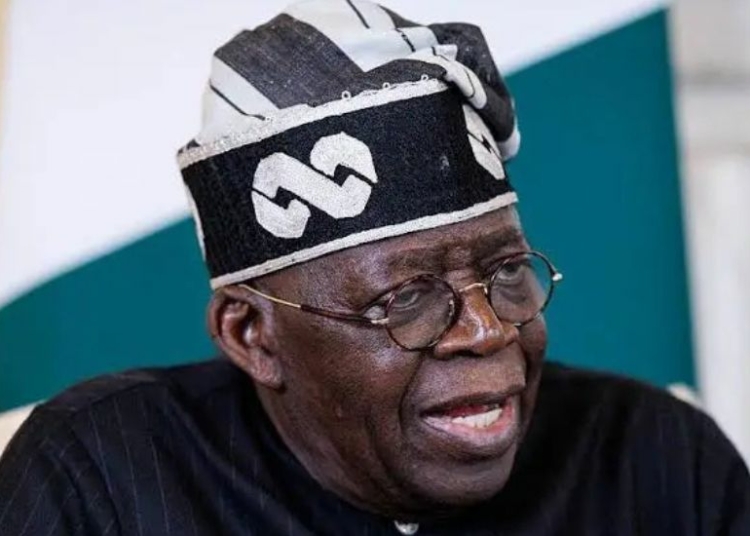
President Bola Tinubu has renewed Nigeria’s call for a restructuring of the United Nations Security Council, saying Africa should receive at least two permanent seats with full membership privileges.
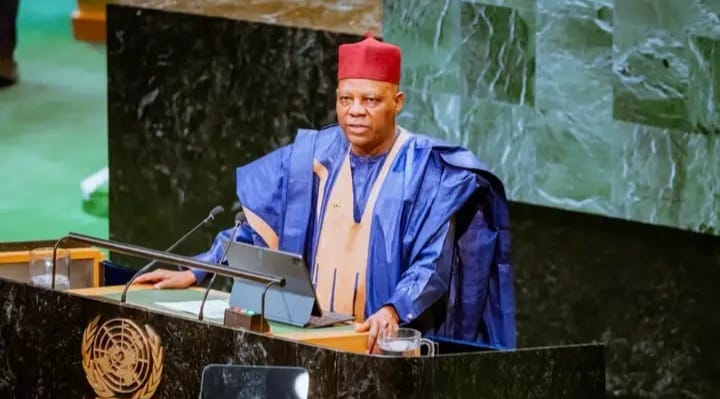
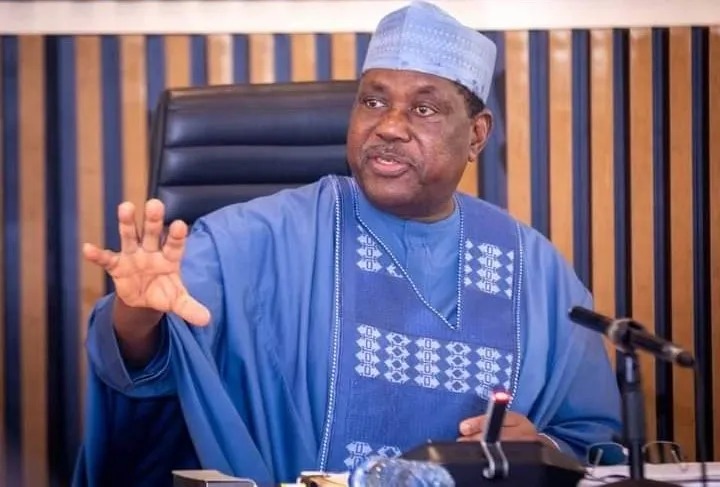
Tinubu made the demand in his address to the 81st United Nations General Assembly in New York on Thursday, with Vice President Kashim Shettima delivering the speech on his behalf.
Nigeria is also seeking five non-permanent seats for Africa, in line with the continent’s established position on reform of the Security Council.
According to Tinubu, the existing arrangement reflects the balance of power that existed when the UN was founded and does not adequately represent the geopolitical realities of the present day.
“The reform of this institution must begin with the reconstitution of the Security Council, for the world of 2026 cannot remain captive to the distribution of power in 1945,” he said.
Tinubu argued that Africa should not continue to play a major role in international peace and security while remaining without permanent representation on the Council.
“Africa cannot continue to fill the Council’s agenda while remaining absent from its permanent membership,” he added.
The President said Nigeria’s demand was based on the Ezulwini Consensus and Sirte Declaration, which underpin the African Union’s common position on Security Council reform.
The African proposal calls for no fewer than two permanent seats and five non-permanent seats for the continent. It also seeks full privileges for the new permanent members, including the veto for as long as the veto remains in existence.
The UN Security Council presently consists of 15 members. China, France, Russia, the United Kingdom and the United States are the five permanent members, while 10 other countries serve as elected members for two-year terms.
Beyond Security Council reform, Tinubu addressed several global issues, including international security, climate change, artificial intelligence, development finance and African economic integration.
He said Nigeria’s long-running fight against terrorism had demonstrated that military operations needed to be complemented by education, economic opportunity, accountable governance and protection of citizens’ rights.
“Development cannot take root where violence repeatedly uproots livelihoods, and peace cannot endure where injustice and exclusion replenish the ranks of those who threaten it,” he said.
Tinubu called for stronger international collaboration in tackling terrorism, organised crime, cyberattacks and illicit financial activities.
On climate change, he said developing countries should not be forced to choose between economic development and environmental protection.
He noted that Africa contributes less than four per cent of global greenhouse gas emissions while facing significant consequences from climate change.
The President said Nigeria remained committed to the Paris Agreement and an energy transition that combines development needs with environmental considerations.
He also said Nigeria’s Energy Transition Plan was designed to achieve net-zero emissions by 2060 while expanding energy access.
Addressing the growing influence of artificial intelligence, Tinubu called for responsible deployment of the technology and warned against allowing fear to prevent societies from benefiting from innovation.
“We can deploy artificial intelligence to wage war or use it to transform healthcare, education, agriculture, governance and economic productivity,” he said.
He said Nigeria was strengthening its digital infrastructure, broadband access, innovation ecosystem and research capacity while encouraging international partnerships with Nigerian technology entrepreneurs and young people.
Tinubu also advocated reform of the international financial architecture, wider access to concessional financing and debt frameworks that recognise the development challenges facing poorer countries.
On African economic integration, he identified the African Continental Free Trade Area as an avenue for strengthening regional value chains, increasing intra-African commerce and promoting industrialisation.
He called for greater emphasis on manufacturing, value addition, technology and knowledge-based production rather than continued dependence on exports of raw materials.
The President’s Security Council proposal comes as UN member states continue negotiations over the structure, membership and working methods of the Council.
The African Union has consistently maintained that the continent should receive at least two permanent seats and five non-permanent seats. UN reform documents also show that countries remain divided over whether the veto should be extended to any new permanent members.
Guterres has backed broader reform of global institutions, saying in February that Africa’s lack of permanent representation on the Security Council was “indefensible.”
Tinubu said Nigeria would continue to support dialogue, cooperation and multilateral action as efforts continue to reshape the global system.


Leave a Reply