

By George Omagbemi Sylvester
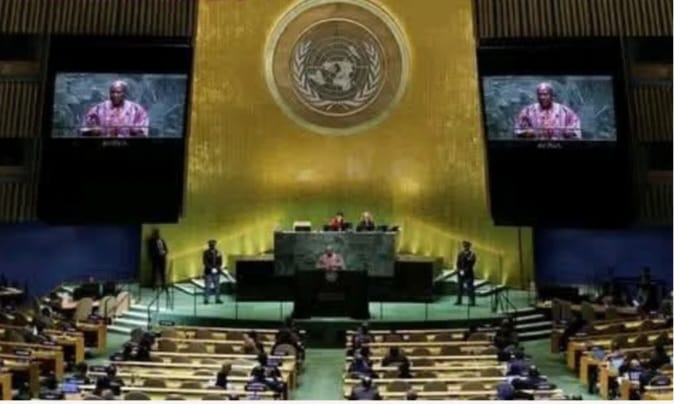
The United Nations General Assembly has adopted a major resolution recognising the transatlantic slave trade and slavery as among the gravest crimes against humanity, in a move widely seen as a moral and political victory for Africa and the global Black diaspora.
The resolution was adopted on Wednesday, March 25, 2026, during a commemorative period tied to the UN’s annual remembrance of the victims of slavery. According to reports, the motion was proposed by Ghana, backed by broad international support, and passed despite resistance from some Western countries.
The significance of the resolution lies not only in its language but in what it symbolises. It strengthens the long-running call for historical accountability, reparative justice, formal apologies, return of stolen artefacts, and sustained global dialogue about the enduring consequences of slavery. Reports indicate that 123 countries voted in favour, while three opposed and 52 abstained, revealing that even centuries after the crime, the politics of memory and justice remain deeply contested.
For Africa, this is more than symbolism. It is a diplomatic reminder that the horrors of slavery were not merely historical accidents, but organised crimes whose effects still shape race relations, underdevelopment, inequality, and identity across continents. The resolution may not be legally binding, but its political and moral weight is enormous.
At its core, the UN’s action sends a simple but powerful message: history must not only be remembered; it must be confronted with truth, dignity, and justice.



Leave a Reply