

By Paul Joseph
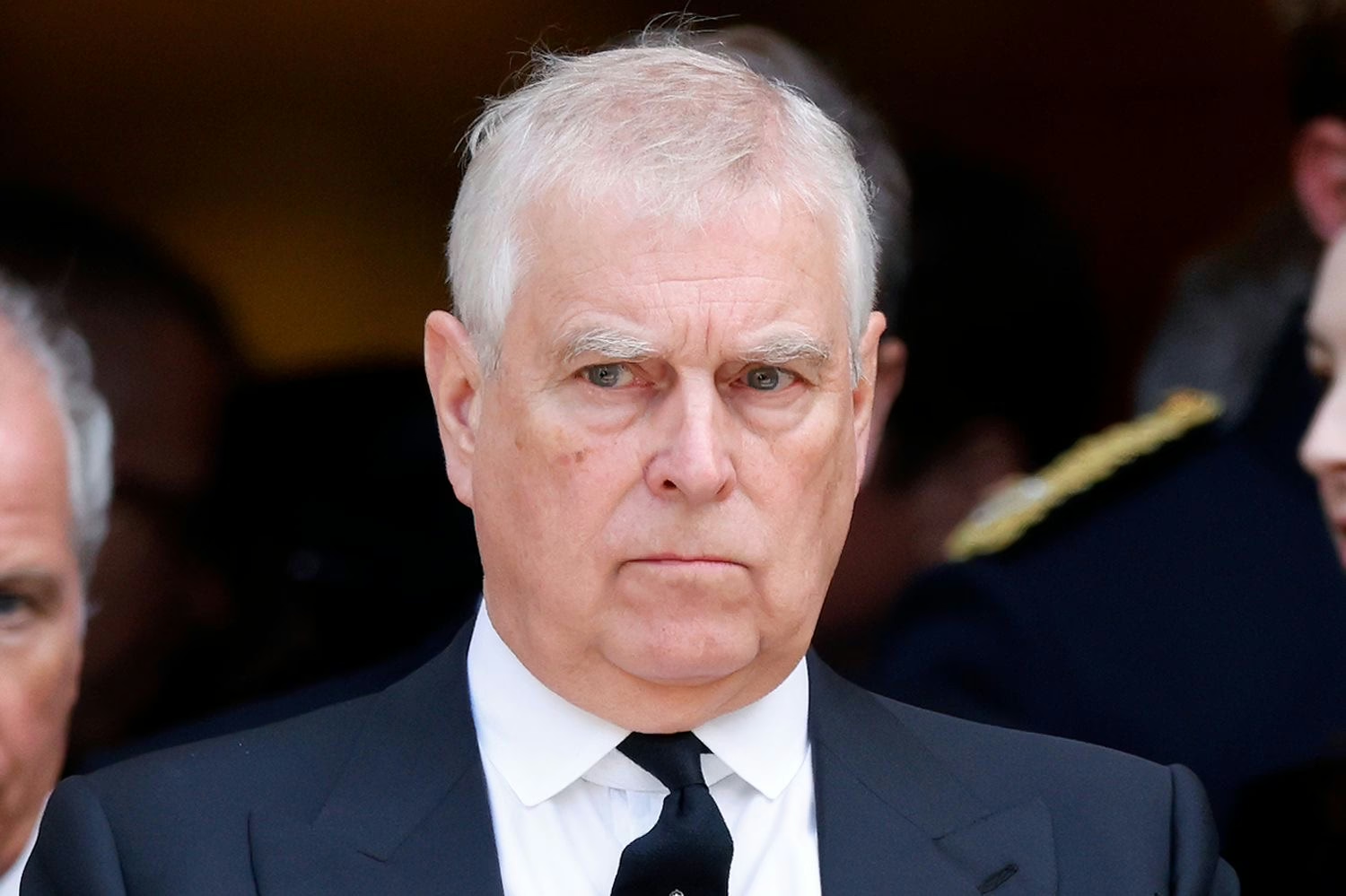
The government is contemplating the introduction of a law to remove Andrew Mountbatten-Windsor from the royal succession line, effectively preventing him from ever becoming King
The government is contemplating introducing legislation to remove Andrew Mountbatten-Windsor from the line of royal succession, a move that would permanently bar him from ever acceding to the throne.
Defence Minister Luke Pollard told reporters the proposal was the “right thing to do”, regardless of the outcome of the ongoing police investigation. He confirmed ministers had been working closely with Buckingham Palace to ensure the former prince could not be “a heartbeat away from the throne”.
Andrew, the brother of King Charles III, remains eighth in line to the throne despite being stripped of his royal titles, including “prince”, last October amid mounting scrutiny over his ties to convicted sex offender Jeffrey Epstein.
On Thursday evening, Andrew was released under investigation after being arrested on suspicion of misconduct in public office. He has consistently and vehemently denied any wrongdoing.
Pollard said he hoped any proposed legislation would secure cross-party backing but stressed that Parliament should only act once the police investigation had concluded.
On Friday, unmarked police vehicles were seen arriving at and leaving Royal Lodge, Andrew’s long-time residence in Windsor.
At one stage, more than 20 vehicles were reported at the property, although it remains unclear how many were directly linked to the investigation.
Thames Valley Police, which carried out the arrest, is expected to continue searches at Royal Lodge until Monday.
The proposal has drawn support from opposition parties, including the Liberal Democrats and the Scottish National Party.
Liberal Democrat leader Ed Davey said police must be allowed to conduct their investigation “without fear or favour”, while acknowledging that Parliament would need to consider the issue “when the time is right”.
The SNP’s Westminster leader Stephen Flynn indicated his party would support removing Andrew from the line of succession if legislation is required.
Labour MP Rachael Maskell also endorsed the move, saying she would back legislation to remove Andrew from both the line of succession and his role as a counsellor of state — a position that enables senior royals to act on behalf of the monarch when necessary.
However, some Labour MPs critical of the monarchy have questioned whether legislation is necessary, pointing to the unlikelihood of Andrew ever becoming King.
Conservative Party leader Kemi Badenoch urged caution, saying “all of us in public life need to give space” for the police investigation to proceed.
Any change to the line of succession would require an Act of Parliament, approved by both MPs and peers, and would take effect only after receiving royal assent from the King.
The measure would also need the agreement of the 14 other Commonwealth realms where Charles III is head of state, including Canada, Australia, Jamaica and New Zealand.
The last major reform of the succession came with the 2013 Succession to the Crown Act, which ended male-preference primogeniture and restored individuals previously excluded for marrying a Catholic.
The most notable removal from the line of succession occurred in 1936, when Edward VIII and his descendants were excluded following his abdication.
Andrew stepped back from public duties in 2019 after a widely criticised interview concerning his relationship with Epstein. The latest developments have reignited political and constitutional debate, while intensifying what many observers describe as a deeply personal crisis within the Royal Family.






Leave a Reply