
By: Abdulqadir Muhammad Alhaji
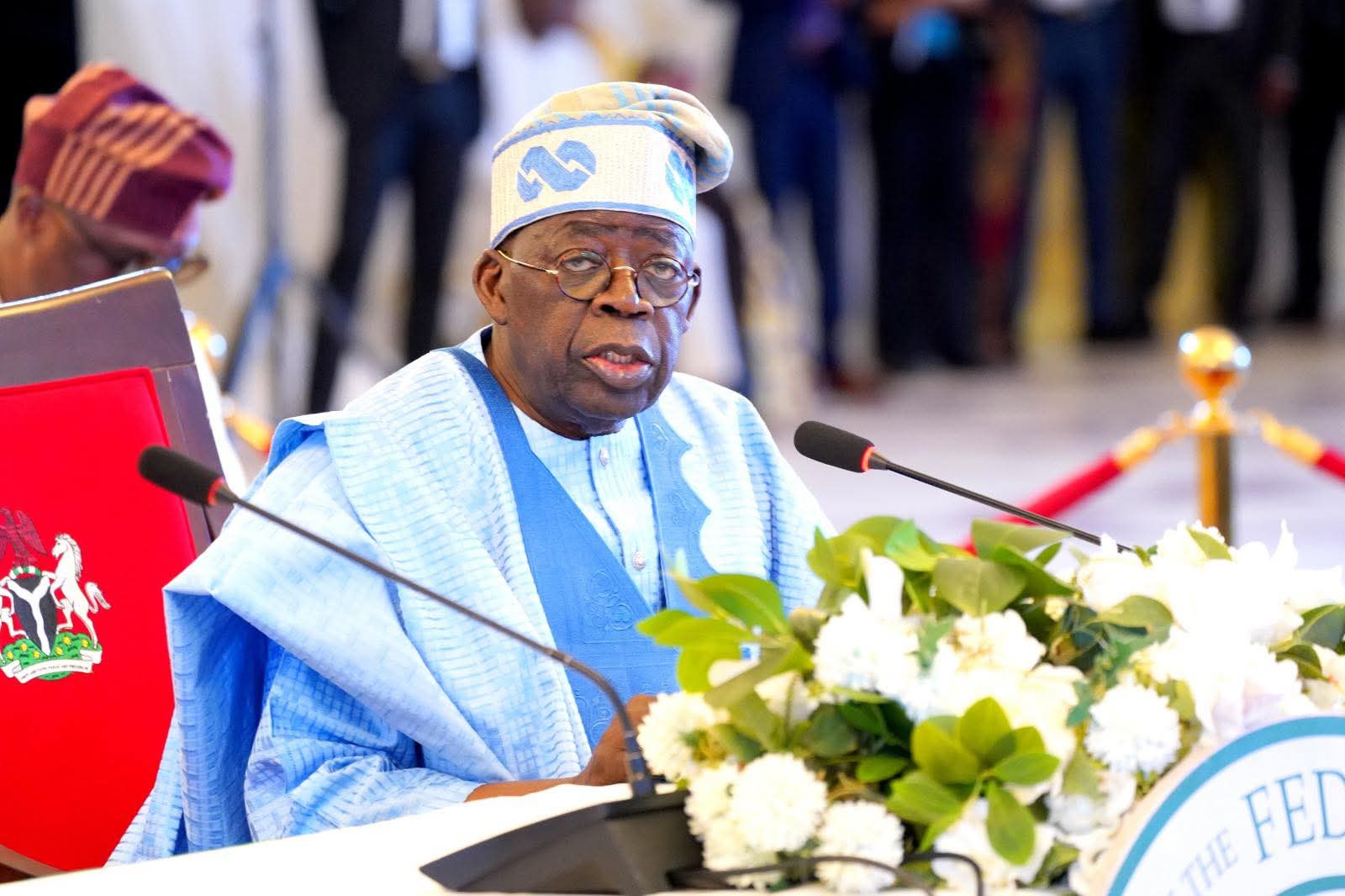
President Bola Ahmed Tinubu has urged the National Assembly to make a change to the 1999 Constitution to allow individual states in Nigeria to establish their own police forces. According to him, this is an important move in addressing terrorism, criminal gangs, and insurgence.
The President appeal came at a time when insecurity has increased in most places of the country. He claims that having the police institutions of their own would enhance in-country security and would give response at local level faster.
As pointed out by Tinubu, the present police system in Nigeria which is administered by the federal government is stretched out. He tells that the Constitution should be fixed so that the states received permission to create police units based on the clear legal provisions. In his opinion, giving states the authority to deal with local security will not be a duplication of the federal efforts, but will enhance coordination.
The proposal necessitates the change in the Constitution, which currently solitarily has the policing as the prerogative of the Federal Government. To be approved, there must be at least two-thirds of the membership in the two houses of the National Assembly and there must be also two-thirds of the membership of the 36 state Houses of Assembly.
The concept of state police has been in dispute. Advocates argue that police operating in a specific area have a greater knowledge of their community and the type of intelligence required. One of the fears that the critics have is the possibility of political misuse and the issue of funding.
The recent resurgence of the constitutional reform by President Tinubu is an indication of a robust executive backing towards constitutional reform as part of wider plans towards reforming the security structure in Nigeria.
The lawmakers of the National Assembly are likely to add to the heated debates as they discuss the constitutional aspects and the mechanism of state policing.






Leave a Reply