

By George Omagbemi Sylvester
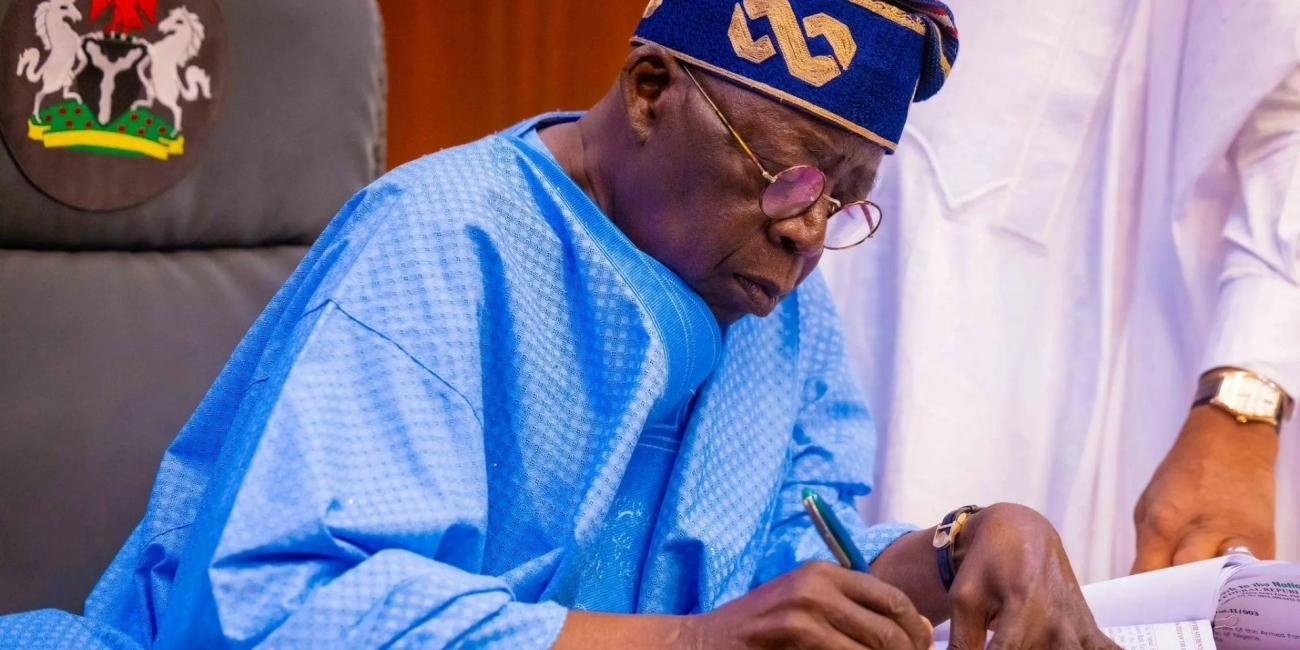
In a defining moment for Nigeria’s democratic architecture, President Bola Ahmed Tinubu on 18 February 2026 signed the Electoral Act 2026 into law at the Presidential Villa in Abuja, following its passage by the National Assembly. This fresh electoral statute repeals and replaces the previous 2022 Act and will govern preparations and conduct for the 2027 general elections, setting the stage for a contentious political season.
The new law emerges from months of legislative wrangling, public debate, and civil society pressure. It introduces significant alterations to Nigeria’s electoral legal framework, including revised election timetables, procedural clarifications, and rules on result transmission. Lawmakers aimed to balance logistical realities with reform ambitions.
A key adjustment sees the mandatory notice period for elections reduced from 360 days to 300 days before poll dates, a shift the Senate championed to avoid overlapping with the Muslim holy month of Ramadan, which could hinder voter participation and campaign operations.
Perhaps the most controversial element is the treatment of electronic transmission of results. Initially, reform advocates and some lawmakers pushed for real-time electronic transmission from polling units directly to the Independent National Electoral Commission’s (INEC) central platform; a reform widely seen as central to ensuring transparency, reducing manipulation, and building public trust. However, the Senate amended the provision to maintain electronic transmission as a primary method while allowing manual backup (Form EC8A) when network challenges occur.
Critics argue this compromise undercuts progress. Former INEC Resident Electoral Commissioner Mike Igini publicly implored President Tinubu not to sign the bill, calling it “a recipe for chaos” that could weaken democratic gains and betray the struggles of past electoral reform advocates. Igini described the amendment’s retreat on result transmission as deeply problematic, warning that without firm electronic safeguards, Nigeria risks reverting to opaque practices that erode citizens’ confidence.
Despite the controversy, supporters of the legislation within the All Progressives Congress (APC) and several lawmakers defended the final text. They argue that recognising the uneven state of Nigeria’s digital infrastructure (especially in rural and underserved regions) necessitated a pragmatic approach. Mandating strict real-time electronic transmission without reliable nationwide connectivity, they contend, could jeopardise the entire electoral process.






Leave a Reply