
By Paul Joseph
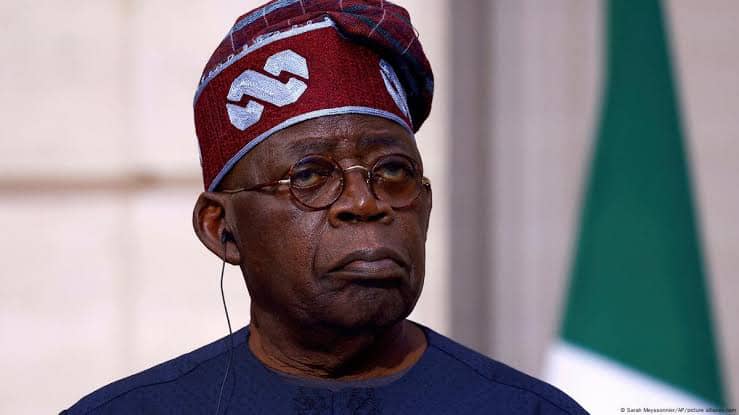
President Bola Ahmed Tinubu has reportedly declined to receive a special envoy sent by South African President Cyril Ramaphosa, amid renewed concerns over persistent xenophobic attacks against Nigerians living in South Africa.
According to diplomatic sources, the South African delegation, led by the country’s Minister of International Relations and Cooperation, Ronald Lamola, arrived in Abuja on Friday with an important message from President Ramaphosa. However, the delegation was unable to secure an audience with the Nigerian leader.
The development follows the reported killing of a Nigerian, Chika Ibe, in Bellville, Cape Town. Ibe was allegedly arrested at his residence and tortured to death by members of the South African Police Service (SAPS), further heightening tensions between the two countries.
Nigeria has consistently condemned xenophobic violence against its citizens in South Africa. At the recent 69th Ordinary Session of the ECOWAS Authority of Heads of State and Government in Lungi, Sierra Leone, Vice President Kashim Shettima, representing President Tinubu, urged African leaders to adopt stronger continental measures against xenophobia.
Shettima described the recurring attacks on African nationals in South Africa as unacceptable and called for a united response to safeguard the rights and dignity of Africans across the continent. He also revealed that Nigeria had previously evacuated 1,490 citizens affected by xenophobic violence and reaffirmed the country’s commitment to working with regional and continental institutions to tackle the crisis.
Sources within the Ministry of Foreign Affairs said Minister Bianca Odumegwu-Ojukwu advised against President Tinubu receiving the South African delegation while attacks on Nigerians, their businesses and properties continue unabated.
The minister reportedly maintained that the delegation could not meet the President without a prior appointment and tangible commitments from Pretoria to address the recurring violence.
A key condition raised by Nigeria is South Africa’s ratification of the Memorandum of Understanding on the Early Warning Mechanism (EWM), signed by both countries in Abuja on October 22, 2025.
Nigerian officials said South Africa has yet to ratify the agreement, despite its aim of strengthening cooperation on monitoring security threats, protecting citizens, improving consular coordination and preventing xenophobic attacks through rapid communication channels.
Officials believe the mechanism would also provide a framework for addressing compensation claims by Nigerians whose businesses and properties were destroyed during previous attacks. To date, South African authorities have not compensated affected victims.
Presidency sources said President Tinubu had not agreed to receive the South African envoy as of the time the report was filed, while the outcome of a reported telephone conversation initiated by President Ramaphosa over the weekend remained uncertain.
Leave a Reply