
By Paul Joseph
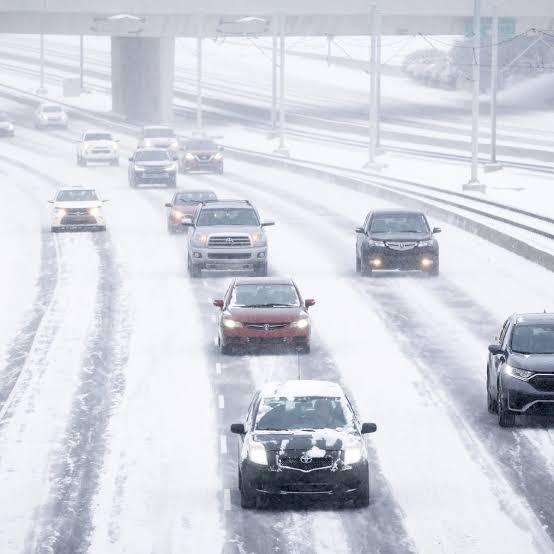
A powerful winter storm has unleashed heavy snow, fierce winds, and travel chaos across the northeastern United States, forcing the cancellation of more than 5,000 flights on Monday and prompting emergency measures from state and local officials.
Winter storm warnings stretch from North Carolina to Maine, with additional alerts in parts of eastern Canada as the system barrels up the East Coast.
Forecasters say some areas could receive up to 2 feet (60 cm) of snow, with blizzard conditions expected in several major metropolitan regions.
The storm has crippled air travel nationwide, with over 5,000 flights cancelled and thousands more delayed as major hubs along the East Coast suspended operations.
Airports in cities including New York City, Boston, and Philadelphia reported widespread disruptions as airlines grounded aircraft in anticipation of dangerous runway conditions and limited visibility.
In New York City, officials imposed a ban on non-essential travel until 12:00 local time (17:00 GMT) on Monday, urging residents to stay indoors as snow and strong winds intensified overnight.
Public transportation services were reduced, and road crews worked around the clock to keep emergency routes passable.
The National Weather Service issued a blizzard warning for the city—the first in nine years—underscoring the severity of the storm.
A blizzard is defined not simply by heavy snowfall but by a combination of sustained winds or frequent gusts of at least 35 mph (56 km/h) and visibility reduced to a quarter-mile (400 meters) or less due to falling or blowing snow, lasting for at least three consecutive hours.
These conditions can create whiteouts, making travel extremely dangerous and sometimes impossible.
Governors across several northeastern states declared states of emergency ahead of the storm, activating National Guard units and deploying plows and salt trucks. Schools, government offices, and vaccination sites closed in anticipation of the snowfall.
Coastal areas also face the threat of flooding due to a combination of heavy precipitation and strong onshore winds.
Power companies have warned customers to prepare for potential outages as snow accumulation and gusting winds weigh down tree limbs and power lines.
Meteorologists say the storm rapidly intensified as it moved up the coast, a process sometimes referred to as “bombogenesis,” in which atmospheric pressure drops quickly, strengthening the system.
While the snowfall is expected to taper off later Monday in southern areas, northern parts of New England could continue to see heavy snow and gusty winds into Tuesday.
Officials are urging residents to heed travel advisories, check on vulnerable neighbours, and avoid unnecessary journeys until conditions improve.






Leave a Reply