

By Opeyemi Adelakun
The Socio-Economic Rights and Accountability Project (SERAP) has approached the Federal High Court in Abuja to compel the Independent National Electoral Commission (INEC) to provide a detailed account of more than ₦126.46 billion appropriated for electoral operations.
The organisation said the action followed findings in the Auditor-General of the Federation’s 2023 audited report, published on August 7, 2026, which allegedly identified irregularities in several transactions covering 2022 and, in some cases, extending into 2023.
In its suit, numbered FHC/ABJ/CS/2507/2026, SERAP is seeking an order of mandamus directing INEC to disclose the expenditure, utilisation and disbursement of the funds, including the amounts paid, the recipients, procurement procedures and details of the companies and contractors involved.
The funds were intended to support the procurement of ballot boxes, electoral devices, sensitive materials, result sheets, vehicles and accreditation equipment, as well as audit, consultancy and other services.
SERAP said the Auditor-General reportedly questioned payments exceeding ₦112.15 billion for ballot boxes, electoral devices and related materials, citing the absence of competitive bidding and a Certificate of No Objection from the Bureau of Public Procurement.
The organisation further alleged that the audit report raised concerns about a payment of more than ₦1 billion for Toyota Prado TXL 2021 models, over ₦3.13 billion paid to four contractors for election materials, and ₦9.24 billion spent on 22 contracts for similar goods and services.
Additional transactions cited in the suit include payments to accounting firms, suppliers of accreditation devices and contractors handling sleeping mats and digital archiving.
SERAP wants INEC to produce evidence that the goods and services were delivered and to account for the location and status of the electoral materials allegedly purchased.
It is also asking the court to compel the commission to preserve assets covered by the audit findings and publish the identities of contractors, suppliers, consultants and public officials who authorised or facilitated the transactions.
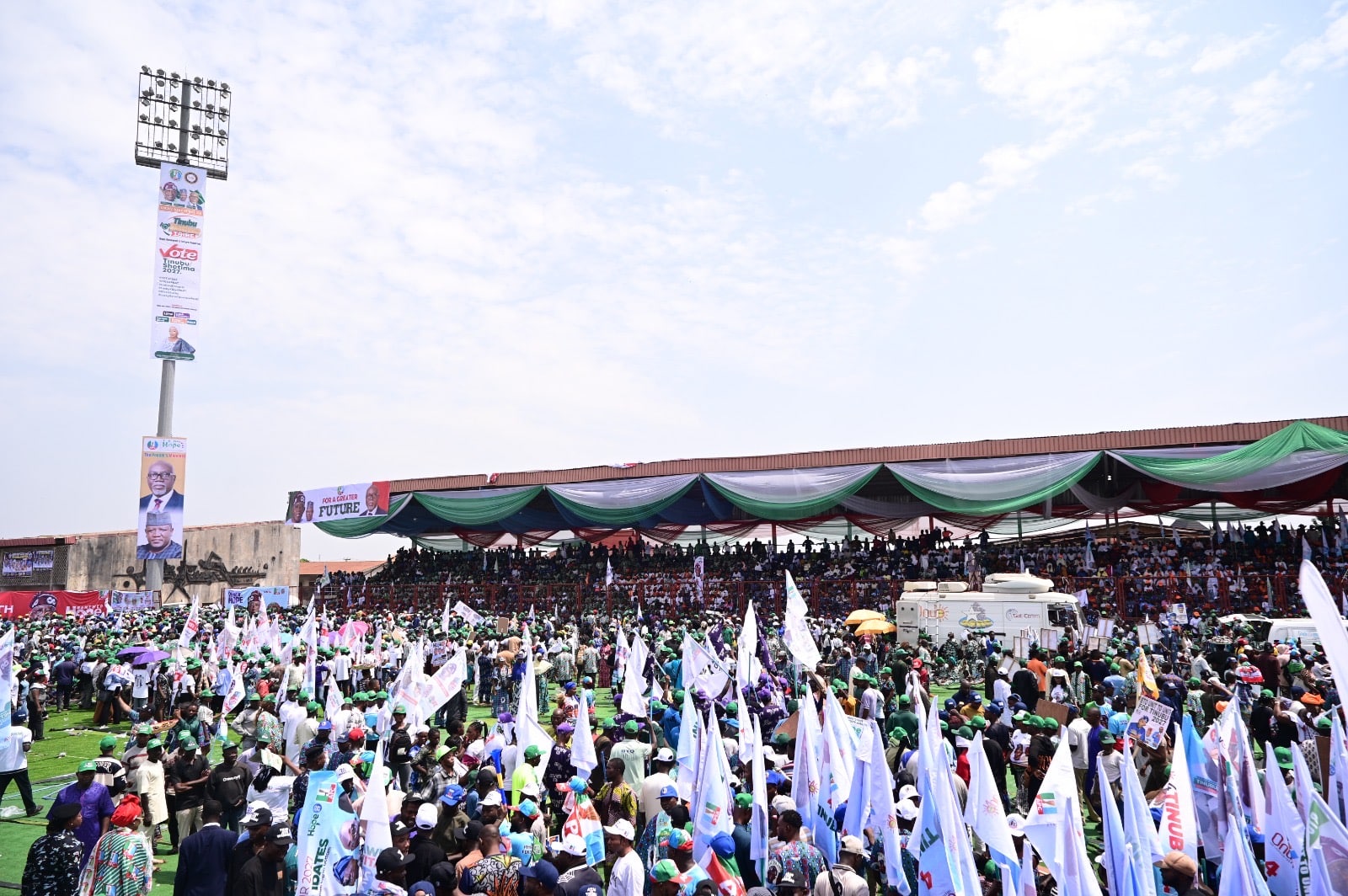
The organisation said electoral spending must be transparent, particularly with the 2027 general elections approaching.
“Democracy requires an informed citizenry,” SERAP argued, maintaining that Nigerians are entitled to know how public resources entrusted to the electoral commission have been used.
The suit also relies on constitutional provisions and international anti-corruption and human-rights instruments, which SERAP says support accountability in public procurement and the public’s right to participate in public affairs.
The case had not been assigned a hearing date as of Sunday.
INEC’s response to the suit was not included in the report. The allegations cited by SERAP and attributed to the Auditor-General have not been established as final judicial findings.


Leave a Reply