

By Opeyemi Adelakun
Civil society organisations have called for tighter controls over campaign financing and the conduct of public officials after 209 serving government officials were reportedly named to the All Progressives Congress (APC) presidential campaign council ahead of the 2027 general election.
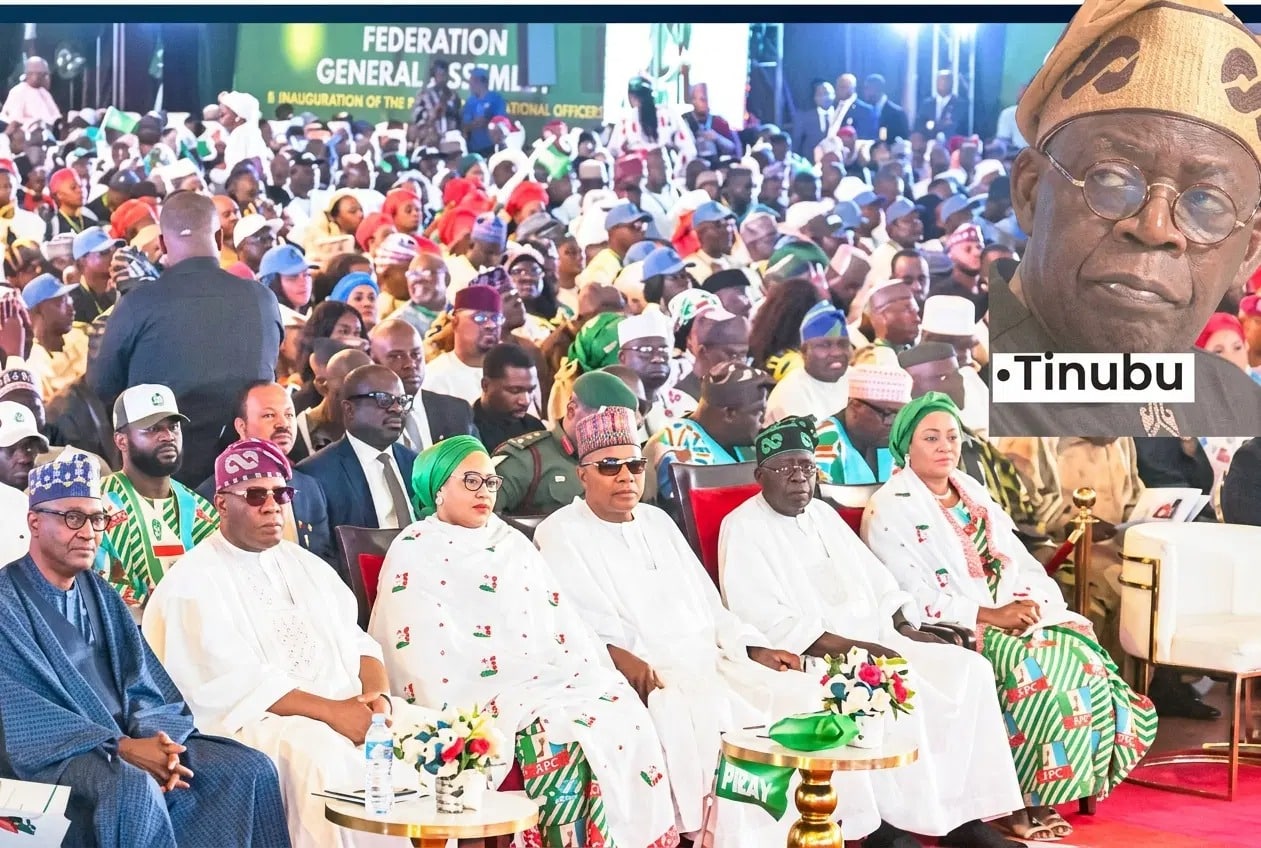
The 313-member council, inaugurated by President Bola Tinubu at the State House in Abuja, includes governors, ministers, lawmakers and other political appointees.
The development has prompted concerns about whether officials can combine campaign responsibilities with their public duties without compromising governance, legislative oversight or the management of public funds.
Tinubu, while inaugurating the council, said his administration would continue working despite preparations for the election.
“The responsibility of this office does not pause. So you will excuse me from going everywhere with you. We have bills to pay. The job must go on,” he said.
Speaker of the House of Representatives Tajudeen Abbas also urged lawmakers to maintain focus on their constitutional responsibilities, warning that political competition should not displace legislative duties.
Civil society groups said the assurances must be backed by measurable safeguards and effective oversight.
Dr Andrew Mamedu, Country Director of ActionAid Nigeria, said public officials were entitled to participate in politics but insisted that their political roles must not compromise government responsibilities.
He said the key issue was whether public resources would be used to advance the ruling party’s electoral interests.
Governors’ campaign roles raise questions
The appointment of serving governors and senior government officials to campaign finance and fundraising positions has drawn particular attention.
Delta State Governor Sheriff Oborevwori was named Director of Finance/Treasury, with Kogi State Governor Usman Ododo as deputy director. Ogun State Governor Dapo Abiodun was listed as Director of Fundraising, while Nigeria Revenue Service Chairman Zacch Adedeji was named deputy director.
The appointments have prompted calls for strict separation between public finances and party fundraising.
Okechukwu Nwanguma, Executive Director of the Rule of Law and Accountability Advocacy Centre, warned of possible risks such as diversion of government funds, use of official transport for campaign activities, and pressure on contractors to contribute to political campaigns.
He called on the Independent National Electoral Commission (INEC), the EFCC and the ICPC to monitor campaign financing, ensure proper documentation of donations and expenditure, and investigate suspicious spending.
Mamedu called for mandatory disclosure of campaign contributions, independent audits and stricter conflict-of-interest requirements for officials holding fundraising roles.
The groups stressed, however, that membership of a campaign council or appointment to a financial position does not by itself prove that public resources have been misused.
Lawmakers urged to protect oversight duties
The presence of senior National Assembly officials on the campaign council has also raised concerns about the legislature’s ability to scrutinise the executive.
Among those listed are Senate President Godswill Akpabio, Speaker Abbas, Deputy Senate President Barau Jibrin, Deputy Speaker Benjamin Kalu and Senate Leader Opeyemi Bamidele.
Nwanguma said lawmakers with senior campaign responsibilities should disclose their roles, avoid campaign activities during official legislative sessions and step aside from inquiries involving direct conflicts of interest.
Auwal Musa Rafsanjani, Executive Director of the Civil Society Legislative Advocacy Centre, called on the Senate and House of Representatives to enforce attendance rules, publish legislative calendars and disclose campaign-related absences.
He argued that lawmakers whose campaign roles prevent them from fulfilling their official responsibilities should relinquish those positions.
Mamedu said legislative accountability should be measured through attendance, committee sittings, productivity and scrutiny of public expenditure.
The organisations also called for a Nigerian legal framework to regulate partisan activity by public officials, with Nwanguma proposing a version of the United States’ Hatch Act adapted to Nigeria.
The US law restricts certain political activities by many federal executive-branch employees and bars the use of official authority to influence elections. The groups said Nigeria could draw lessons from such safeguards while accounting for its own constitutional arrangements.
They proposed clearer rules on the use of government offices, staff, vehicles, communication facilities and public funds for political campaigns, alongside protections against compelling civil servants to participate in partisan activities or make donations.
The groups also urged INEC to clarify the separation between official schedules and campaign activities, while strengthening enforcement of existing electoral rules.
Section 95(2) of the Electoral Act 2022 prohibits the use of state apparatus, including the media, to advantage or disadvantage a political party or candidate.
Mamedu said the ruling party should campaign using its own resources and party structures rather than government institutions.
The organisations maintained that public officials’ participation in political campaigns must not come at the expense of service delivery, transparent public spending or the legislature’s constitutional oversight responsibilities.





Leave a Reply