
By George Omagbemi Sylvester
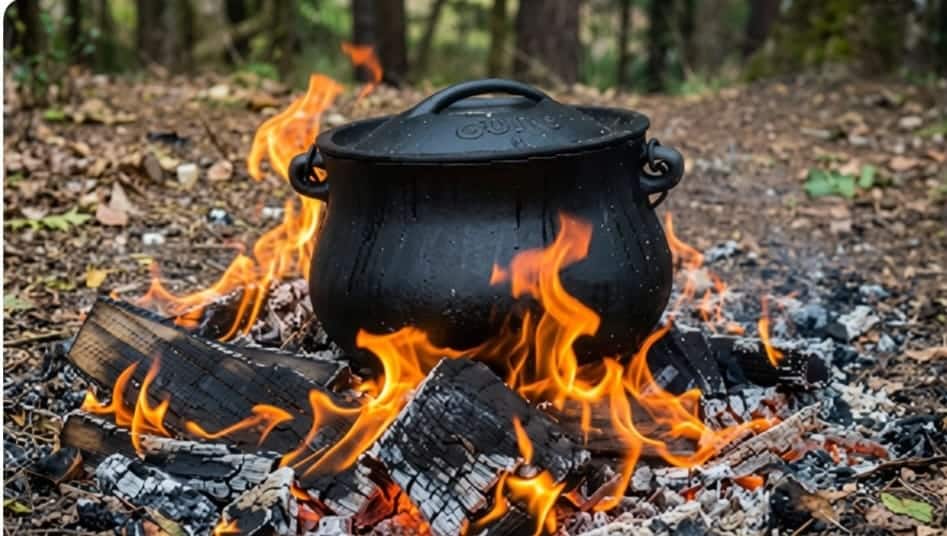
Nigeria’s drive toward clean cooking energy is facing a major setback as soaring prices of Liquefied Petroleum Gas (LPG), commonly known as cooking gas, force millions of households to abandon gas cylinders and return to charcoal, firewood, and other traditional fuels. The development has raised concerns among environmentalists, health experts, and industry stakeholders who warn that years of progress in promoting cleaner energy could be reversed.
Recent market surveys show that cooking gas prices have surged dramatically, with some locations recording increases of up to 67 percent within months. In several cities, consumers now pay between ₦2,000 and ₦2,400 per kilogram, making refilling a standard 12.5kg cylinder increasingly unaffordable for average households.
The Nigerian Association of Liquefied Petroleum Gas Marketers (NALPGAM) has attributed the crisis to supply shortages, rising depot costs, logistics bottlenecks, and distribution challenges. The association warned that the situation is undermining Nigeria’s clean energy transition and pushing families back toward charcoal and firewood despite the health and environmental dangers associated with those fuels.
Experts caution that increased dependence on charcoal and firewood could accelerate deforestation, environmental degradation, and indoor air pollution.
Public health advocates also warn that smoke from traditional cooking fuels contributes to respiratory diseases and premature deaths, particularly among women and children who spend significant time around cooking areas.
The crisis is particularly troubling given Nigeria’s vast natural gas reserves, among the largest in the world.
Despite this abundance, the country continues to depend heavily on imported LPG, exposing consumers to global market fluctuations, foreign exchange pressures, and supply disruptions.
Analysts warn that unless urgent action is taken to stabilize supply, boost domestic production, and reduce distribution costs, Nigeria risks losing hard-won gains in clean cooking adoption.
Beyond environmental concerns, the growing reliance on charcoal also threatens food security, household incomes, and the country’s broader climate and sustainable development commitments.
For millions of Nigerians already struggling with inflation and rising living costs, the return from gas stoves to smoky charcoal fires is more than an energy challenge—it is a stark reminder of how economic pressures can reverse social progress and deepen hardship across vulnerable communities.





Leave a Reply