
By Opeyemi Adelakun
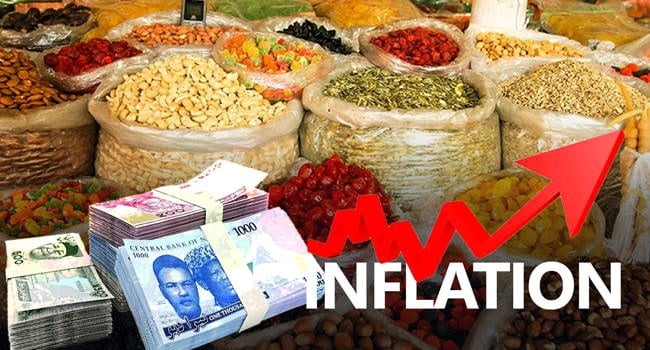
Nigeria’s headline inflation rate fell to 15.43 per cent in July 2026, marking another moderation in the pace of price increases across the country.
The latest figure was contained in the Consumer Price Index report released by the National Bureau of Statistics on Monday. It represents a 0.48 percentage-point decline from the 15.91 per cent recorded in June.
The July figure also represents a significant year-on-year decline, falling by 9.51 percentage points from the 24.94 per cent recorded in July 2025.
Despite the decline in the inflation rate, the overall cost of goods and services continued to rise during the month.
The NBS reported that the Consumer Price Index increased to 145.3 points in July from 143.0 points in June, representing a 2.2-point increase.
The rise in the CPI indicates that prices did not fall in July. Rather, they continued to increase, but at a slower rate than in the previous month.
The agency explained that the CPI measures changes in the average prices of goods and services purchased by consumers, while the inflation rate measures the pace at which those prices change.
According to the report, month-on-month headline inflation stood at 1.57 per cent in July, compared with 1.66 per cent in June.
The 0.09 percentage-point decline indicates that the monthly pace of price increases also eased during the period.
The NBS said, “In July 2026, the Headline inflation rate stood at 15.43 per cent, down from 15.91 per cent in June 2026 and stood at 24.94 per cent in the same month of the preceding year.”
The agency added that the month-on-month figure meant that “the rate of increase in the average price level was lower than the rate of increase in the average price level in June 2026.”
The latest data point to a continued easing of inflationary pressure compared with a year ago. However, the increase in the CPI highlights the distinction between falling inflation and falling prices.
A lower inflation rate means prices are increasing more slowly; it does not mean that the prices of goods and services have become cheaper.
The July figures therefore present a mixed picture for Nigerians. While the pace of inflation has moderated substantially from last year’s level, households and businesses are still facing higher prices as the general cost of living continues to rise.





Leave a Reply