
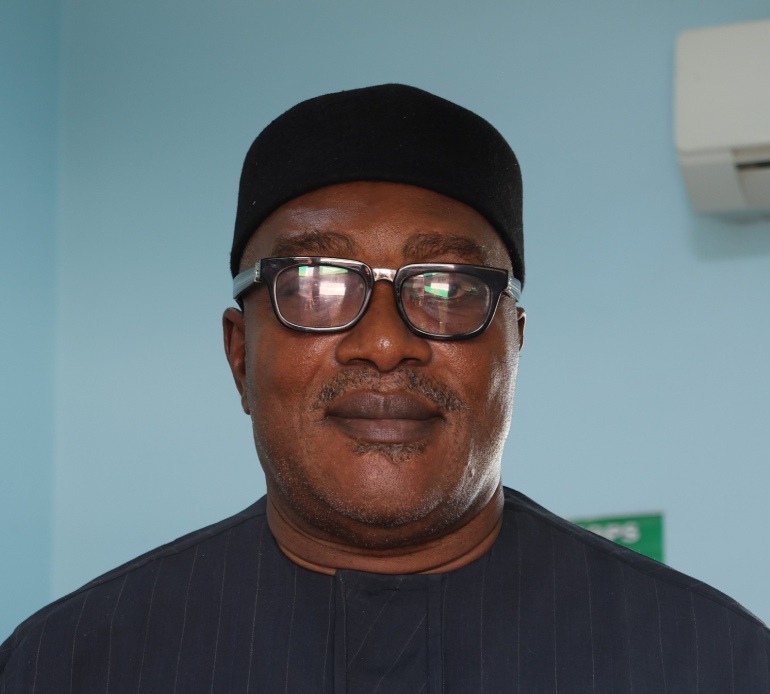
By: Sunday Ameh
Former Director of the Department of State Services, Mike Ejiofor, has called on the Federal Government to diversify Nigeria’s defence procurement sources and strengthen international security partnerships to tackle the country’s growing insecurity.
Ejiofor made the call on Monday during an interview on Frontline, a current affairs programme on Eagle 102.5 FM, Ilese-Ijebu, Ogun State.
He said Nigeria should not depend solely on a few traditional allies for military hardware, especially amid ongoing global conflicts involving major powers such as Russia, Ukraine, Iran, Israel and the United States.
According to him, alternative defence partners such as Turkey and China remain available to support Nigeria’s security needs.
“The Minister of Defence made that allegation. Apparently, it’s not long that the war started, so if there were orders placed, we have other options. We can go to Turkey, China and other areas that can help us,” Ejiofor said.
The former DSS director also questioned the effectiveness of Nigeria’s existing security collaboration with the United States, arguing that such partnerships should translate into visible gains in the fight against terrorism and other security threats.
“Don’t also forget that America has been partnering with us, but I don’t seem to be seeing the effectiveness of that collaboration,” he said.
Ejiofor further expressed concerns over the establishment of the Office of the Special Adviser on Homeland Security by President Bola Tinubu, warning that unclear responsibilities could lead to conflict with the Office of the National Security Adviser.
He noted that while the initiative may have been inspired by the American homeland security model, its success would depend on clearly defining the roles of both offices.
“Until the jobs of the NSA and this new Special Adviser are clearly defined, there is bound to be conflict among the two offices,” he warned.
The security expert maintained that addressing insecurity requires more than acquiring weapons, stressing that intelligence gathering, operational coordination and strategic planning remain critical.
He also warned that insecurity had become widespread across the country, making even highly protected individuals vulnerable to attacks.
Recalling previous high-profile incidents, Ejiofor said the government must focus on dismantling criminal networks and restoring public confidence in security institutions.
“The decisive thing to do is that we should acquire all the necessary skills to deal with these people and bring them to their knees. Let them surrender, but not asking them to come and surrender first,” he said.
He argued that any engagement with armed groups should be conducted from a position of strength rather than weakness.
“When they surrender, what do you do with them? We should be negotiating from the point of power, not weakness. We should deal with these people and let them surrender and face the law,” Ejiofor added.
He also urged Nigerians to remain vigilant and security-conscious, particularly while travelling, given the prevailing security challenges across the country.
“The most important thing to know is that there’s too much insecurity in the country, so let us also be conscious of our environment, especially when travelling, and know how to protect ourselves from these bandits,” he said.






Leave a Reply