
By Gloria Drealomalicha
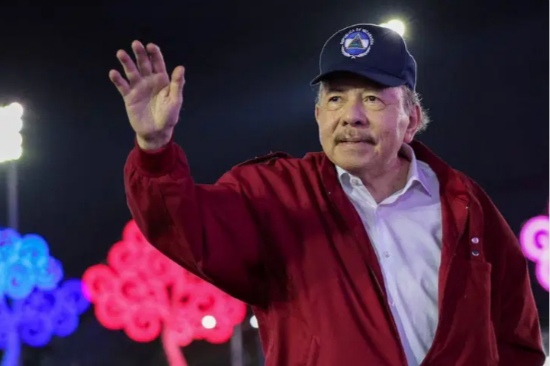
Nicaragua’s President Daniel Ortega has declared that the country will no longer hold elections, insisting that the opposition will not be allowed to take power through the ballot box.
Speaking on Sunday during celebrations marking the 47th anniversary of the Sandinista Revolution in the capital, Managua, Ortega dismissed any prospect of future elections that could pave the way for his political opponents to form a government.
“They better forget it. Here in Nicaragua there will be no more elections so they can try to grab the government and seize power,” the 80-year-old president told thousands of supporters gathered for the event.
Ortega, who first came to prominence as a Marxist revolutionary and helped overthrow a US-backed dictatorship in 1979, has governed Nicaragua since returning to office in 2007. His successive election victories have been widely criticised by sections of the international community, with critics accusing him of dismantling democratic institutions and suppressing political opposition.
His latest comments come amid growing concerns over the country’s democratic future. Nicaragua had originally been expected to hold general elections in November. However, constitutional reforms approved last year extended the presidential term from five to six years, pushing the next election to 2027.
Opposition groups, many of whose leaders now live in exile, have continued to call for international pressure to restore democratic elections in the country.
Addressing his supporters, Ortega accused his opponents of working with foreign interests to undermine his government.
“They keep plotting, looking for ways to organise parties so that in an election they assume will happen, those parties would then win,” he said, alleging that the opposition was backed by the United States.
Ortega has governed alongside his wife, Vice President Rosario Murillo, with the couple exercising sweeping control over the country’s political system for nearly two decades.
Their administration has faced sustained criticism since the violent crackdown on anti-government protests in 2018. According to the United Nations, more than 300 people were killed during the unrest, while rights groups have continued to raise concerns over alleged human rights abuses, restrictions on civil liberties and the shrinking space for political opposition.
Leave a Reply